
 EN
EN
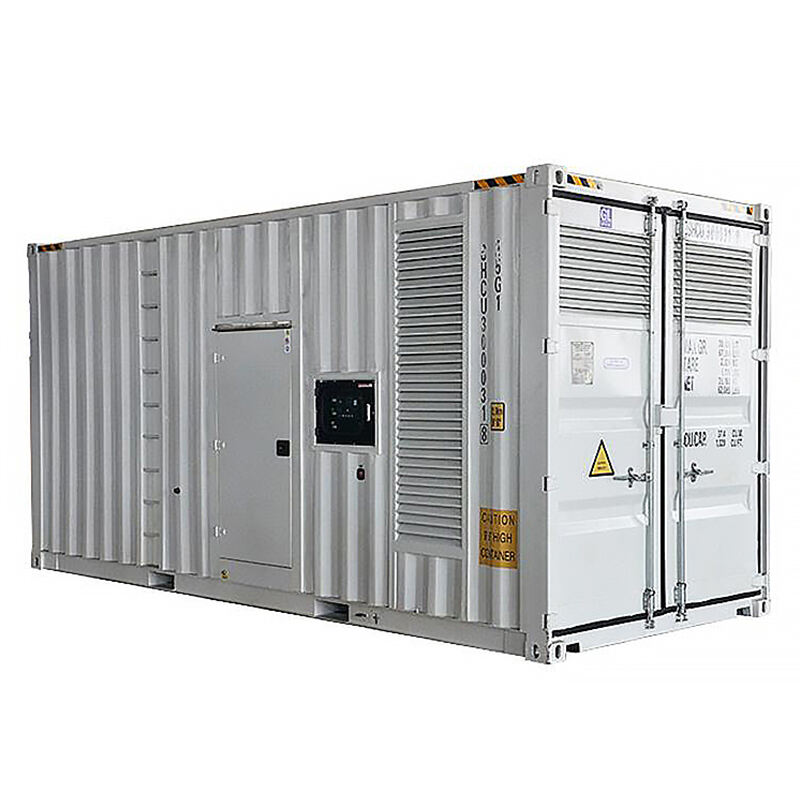
Modern industrial operations face increasing demands for reliable, portable, and efficient power solutions that can adapt to diverse environments and applications. The containerized generator set has emerged as a revolutionary solution that addresses these critical needs while providing superior protection, mobility, and operational flexibility. These self-contained power units combine robust diesel generators with weatherproof housing, creating versatile energy systems that deliver consistent performance across multiple industries and challenging conditions.
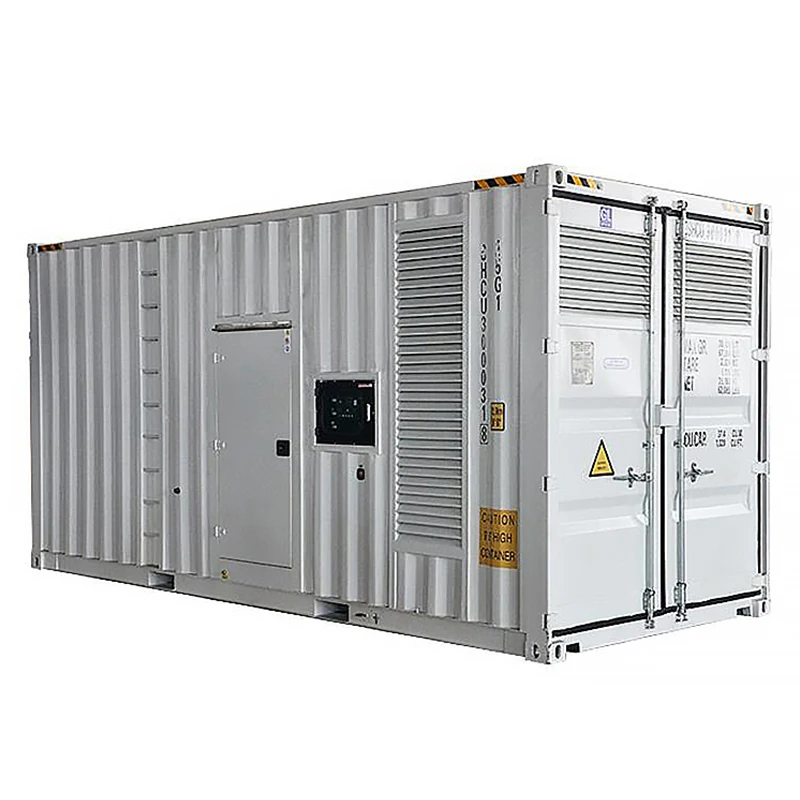
The growing adoption of containerized power solutions reflects broader industry trends toward modular, scalable infrastructure that can be rapidly deployed and relocated as operational requirements evolve. Unlike traditional stationary generators, these integrated systems offer comprehensive protection against environmental factors while maintaining exceptional accessibility for maintenance and monitoring. The container design provides inherent security benefits, protecting valuable equipment from theft, vandalism, and unauthorized access while ensuring optimal operating conditions through advanced ventilation and climate control systems.
Advanced Engineering and Design Features
Structural Integrity and Protection Systems
The foundation of every effective containerized generator set lies in its robust structural engineering that must withstand extreme weather conditions, transportation stresses, and operational demands. High-grade steel construction forms the primary framework, utilizing corrosion-resistant materials and advanced welding techniques to ensure long-term durability. The container design incorporates reinforced mounting systems that secure the generator while allowing for thermal expansion and vibration dampening during operation.
Weatherproofing technologies integrated into these systems provide comprehensive protection against moisture, dust, and temperature fluctuations. Sealed electrical connections, gasket-protected access panels, and drainage systems prevent environmental contamination of critical components. Advanced insulation materials maintain optimal internal temperatures while reducing noise transmission, making these units suitable for deployment in noise-sensitive environments where traditional generators might be prohibited.
Ventilation and Cooling Technologies
Sophisticated airflow management systems ensure optimal engine performance and component longevity through precisely engineered ventilation pathways. Strategic intake and exhaust positioning creates efficient air circulation patterns that prevent hot spots and maintain consistent operating temperatures across all engine components. Automated louver systems respond to temperature changes, optimizing airflow while maintaining weather protection when the unit is not operating.
Radiator placement and cooling fan configurations are specifically designed for containerized applications, maximizing heat dissipation efficiency within space constraints. These systems incorporate backup cooling mechanisms and temperature monitoring that automatically adjust fan speeds and airflow patterns based on ambient conditions and load requirements, ensuring reliable operation in extreme climates ranging from arctic conditions to desert environments.
Industrial Applications and Use Cases
Construction and Infrastructure Development
Construction projects represent one of the largest markets for containerized generator sets due to their need for temporary, reliable power in remote locations without established electrical infrastructure. These units provide essential energy for construction equipment, lighting systems, temporary facilities, and safety systems throughout project lifecycles. The mobility aspect proves particularly valuable as construction sites evolve and power requirements shift to different areas within large development projects.
Infrastructure development initiatives, including road construction, pipeline installation, and utility projects, benefit significantly from the deployment flexibility that containerized systems provide. Project managers can relocate power sources as work progresses, eliminating the need for expensive temporary electrical installations and reducing project timelines. The secure housing protects equipment from construction debris and unauthorized access while maintaining consistent power quality for sensitive electronic systems.
Mining and Resource Extraction
Remote mining operations face unique challenges in accessing reliable electrical power, making containerized generator sets essential for maintaining continuous operations in isolated locations. These systems power extraction equipment, processing facilities, worker accommodations, and safety systems while withstanding harsh environmental conditions typical of mining sites. The robust container design protects against dust, moisture, and mechanical impacts common in mining environments.
Resource extraction projects often require rapid deployment of power infrastructure to support exploratory activities and initial development phases. A containerized generator set can be transported via truck, helicopter, or cargo aircraft to remote locations, providing immediate power capability without requiring extensive site preparation or permanent infrastructure investments. This flexibility proves crucial for maintaining project schedules and operational efficiency in challenging terrain.
Economic Benefits and Cost Considerations
Capital Investment and Operational Efficiency
The initial investment in containerized generator sets often provides superior long-term value compared to traditional power solutions when considering total cost of ownership factors. These systems eliminate the need for separate housing construction, security installations, and weather protection infrastructure that conventional generators require. The integrated design reduces installation time and associated labor costs while providing immediate operational capability upon delivery.
Operational efficiency gains result from improved accessibility for routine maintenance, standardized service procedures, and enhanced component protection that reduces repair frequency and extends equipment lifespan. The container design facilitates safer maintenance operations by providing organized access points, integrated lighting, and proper ventilation for service personnel. These factors contribute to reduced downtime and lower maintenance costs throughout the equipment lifecycle.
Flexibility and Asset Utilization
Organizations investing in containerized power solutions benefit from enhanced asset utilization through the ability to redeploy equipment across multiple projects and locations. This flexibility allows companies to optimize their equipment investments by moving generators to where power needs are greatest rather than maintaining separate units for each potential application. The standardized container format simplifies transportation logistics and reduces deployment costs.
Rental and leasing markets for containerized generator sets provide additional economic advantages for organizations with temporary or seasonal power requirements. The mobility and self-contained nature of these systems make them attractive rental assets, creating potential revenue streams for owners while providing cost-effective solutions for users who need temporary power without capital investment. This market dynamic has driven innovations in monitoring technology and remote management capabilities.
Technology Integration and Smart Features
Remote Monitoring and Control Systems
Modern containerized generator sets incorporate sophisticated monitoring and control technologies that enable remote operation and real-time performance tracking. Advanced telemetry systems transmit operational data including fuel consumption, engine parameters, electrical output, and environmental conditions to centralized monitoring platforms. This capability allows operators to manage multiple units across diverse locations from a single control center, optimizing performance and scheduling maintenance activities.
Automated control systems respond to changing load conditions, environmental factors, and operational requirements without human intervention. These intelligent systems can start and stop the generator based on demand, adjust output levels for optimal fuel efficiency, and implement load-shedding protocols during peak demand periods. Integration with building management systems and industrial control networks enables seamless coordination with other facility systems.
Predictive Maintenance and Diagnostics
Sensor networks integrated throughout containerized generator sets collect comprehensive operational data that supports predictive maintenance strategies. Vibration sensors, temperature monitors, oil quality analyzers, and performance tracking systems identify potential issues before they result in equipment failures. Machine learning algorithms analyze historical data patterns to predict optimal maintenance intervals and identify components requiring attention.
Diagnostic capabilities include real-time fault detection, automated alert systems, and detailed reporting functions that help maintenance teams prioritize activities and optimize resource allocation. These technologies reduce unexpected downtime, extend component life, and lower overall maintenance costs while ensuring reliable power availability. Advanced diagnostic systems can even recommend specific parts and service procedures based on detected conditions and equipment history.
Environmental Compliance and Sustainability
Emissions Control and Regulatory Compliance
Contemporary containerized generator sets incorporate advanced emissions control technologies to meet increasingly stringent environmental regulations while maintaining operational efficiency. Selective catalytic reduction systems, diesel particulate filters, and exhaust gas recirculation technologies significantly reduce harmful emissions including nitrogen oxides, particulate matter, and carbon monoxide. These systems operate automatically, requiring minimal operator intervention while ensuring continuous compliance with local and international emission standards.
Regulatory compliance extends beyond emissions control to include noise reduction technologies, fuel containment systems, and waste management protocols. Sound attenuation materials and advanced muffler designs reduce noise levels to meet urban deployment requirements, while secondary containment systems prevent fuel spills and environmental contamination. These features enable deployment in environmentally sensitive areas where traditional generators might be restricted or prohibited.
Fuel Efficiency and Alternative Energy Integration
Modern engine technologies incorporated in containerized generator sets achieve exceptional fuel efficiency through advanced combustion management, turbocharging systems, and electronic fuel injection. Variable speed operation allows engines to adjust output based on actual load requirements, reducing fuel consumption during periods of lower demand. These efficiency improvements translate directly into reduced operating costs and lower environmental impact over the equipment lifecycle.
Integration capabilities with renewable energy sources position containerized generator sets as components in hybrid power systems that combine solar, wind, or battery storage technologies. The generator serves as backup power and grid stabilization, operating only when renewable sources cannot meet demand requirements. This hybrid approach maximizes the use of clean energy while maintaining power reliability and reducing overall carbon footprint.
FAQ
What are the main advantages of containerized generator sets compared to traditional generators
Containerized generator sets offer superior weather protection, enhanced security, easier transportation, and reduced installation requirements compared to traditional open-frame generators. The integrated container design eliminates the need for separate housing construction while providing standardized dimensions that simplify logistics and deployment planning. These systems also offer better noise control and environmental compliance features that make them suitable for a wider range of applications and locations.
How do containerized generator sets handle extreme weather conditions
These systems are engineered to operate reliably in extreme temperatures ranging from -40°F to 120°F through advanced insulation, heating elements, and cooling systems. Weatherproof sealing protects electrical components from moisture and dust, while corrosion-resistant materials ensure long-term durability in coastal or industrial environments. Automatic climate control systems maintain optimal operating conditions regardless of external weather conditions.
What maintenance requirements do containerized generator sets have
Maintenance requirements follow standard diesel engine schedules including regular oil changes, filter replacements, and cooling system service, but the container design provides easier access and safer working conditions for service personnel. Remote monitoring capabilities help optimize maintenance intervals based on actual operating conditions rather than fixed schedules. The protected environment typically extends component life and reduces maintenance frequency compared to exposed installations.
Can containerized generator sets be customized for specific applications
Yes, manufacturers offer extensive customization options including different power ratings, fuel tank capacities, control systems, and specialized equipment for specific industries. Options include sound attenuation packages for noise-sensitive environments, cold weather packages for arctic applications, and tropical packages for high-humidity conditions. Custom electrical configurations, monitoring systems, and integration capabilities can be specified to match particular operational requirements and industry standards.
Table of Contents
- Advanced Engineering and Design Features
- Industrial Applications and Use Cases
- Economic Benefits and Cost Considerations
- Technology Integration and Smart Features
- Environmental Compliance and Sustainability
-
FAQ
- What are the main advantages of containerized generator sets compared to traditional generators
- How do containerized generator sets handle extreme weather conditions
- What maintenance requirements do containerized generator sets have
- Can containerized generator sets be customized for specific applications