 EN
EN
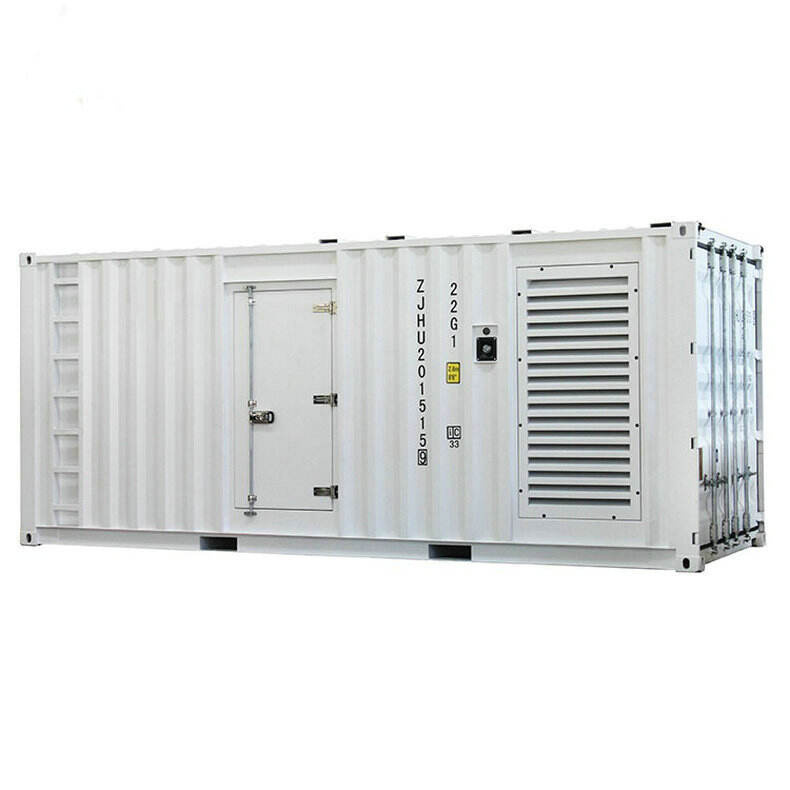
Proper maintenance of your containerized generator set ensures reliable power generation when you need it most. These robust power solutions combine the convenience of portability with the protection of weatherproof enclosures, making them ideal for construction sites, emergency backup applications, and remote locations. Regular maintenance not only extends equipment lifespan but also prevents costly downtime and ensures optimal performance during critical operations.
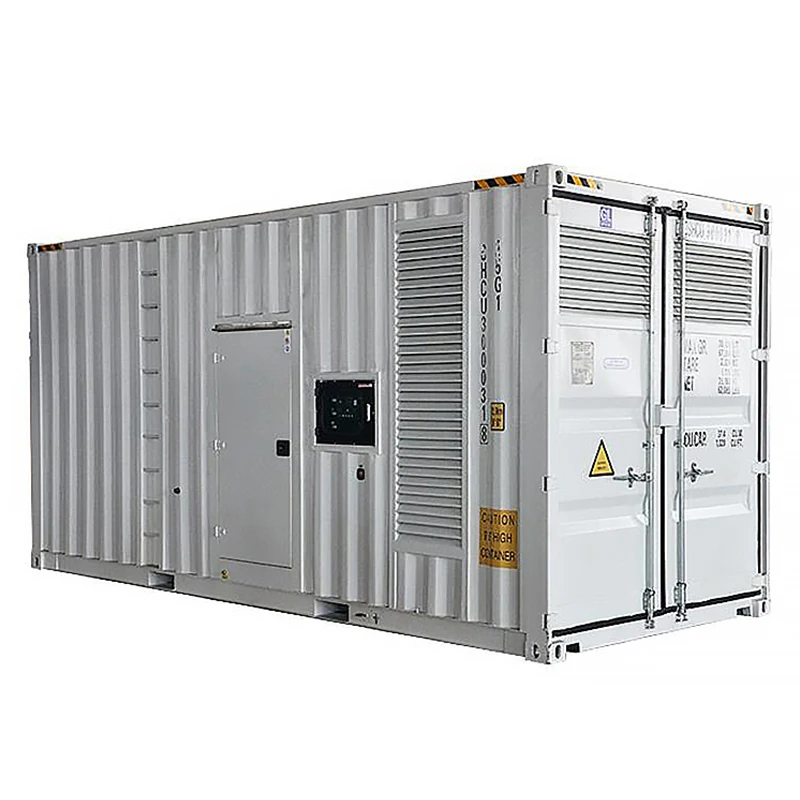
Understanding the unique requirements of containerized power systems helps facility managers and operators develop effective maintenance strategies. The enclosed design of these units creates specific considerations for airflow, temperature management, and component accessibility that differ from traditional open-frame generators. Implementing a comprehensive maintenance program protects your investment and ensures consistent power delivery across various operating conditions.
Essential Daily and Weekly Inspections
Visual System Checks
Conducting thorough visual inspections forms the foundation of any effective maintenance program for your containerized generator set. Start each inspection by examining the external container structure for signs of damage, corrosion, or water intrusion that could compromise internal components. Check door seals and ventilation louvers to ensure proper environmental protection while maintaining adequate airflow for cooling systems.
Inside the container, inspect all visible components for leaks, loose connections, or unusual wear patterns. Pay particular attention to fuel lines, coolant hoses, and electrical connections that may experience stress from vibration during operation. Document any irregularities in your maintenance log to track recurring issues and establish patterns that may indicate developing problems requiring professional attention.
Fluid Level Monitoring
Regular monitoring of engine oil, coolant, and fuel levels prevents catastrophic damage and ensures optimal performance of your containerized generator set. Check engine oil levels when the unit is cool and on level ground, using the dipstick markings to verify proper fill levels. Low oil levels can cause bearing damage and engine seizure, while overfilling may lead to increased pressure and seal failures.
Coolant levels should remain within specified ranges to maintain proper engine operating temperatures. Inspect the coolant recovery tank and radiator fill levels, looking for signs of contamination or unusual color changes that might indicate internal engine problems. Fuel tank levels require attention not only for operational readiness but also to prevent condensation buildup that can contaminate the fuel system and cause injection problems.
Engine Maintenance Procedures
Oil Change Intervals and Procedures
Establishing proper oil change intervals represents one of the most critical maintenance tasks for containerized generator sets operating in demanding environments. Most manufacturers recommend oil changes every 250-500 operating hours, depending on load conditions and environmental factors such as dust exposure and temperature extremes. Always use manufacturer-specified oil grades and viscosities to ensure proper lubrication under all operating conditions.
When changing oil in your containerized generator set, ensure the engine reaches normal operating temperature before draining to facilitate complete removal of contaminants and old oil. Replace the oil filter simultaneously with each oil change, as contaminated filters can compromise the entire lubrication system. Proper disposal of used oil and filters according to environmental regulations demonstrates responsible ownership and protects local water supplies from contamination.
Air Filter Maintenance
Air filter maintenance becomes particularly important for containerized units that may operate in dusty or contaminated environments where airborne particles can quickly clog filtration systems. Inspect air filters weekly during heavy-use periods and monthly during lighter operation schedules. Clean or replace filters based on visual inspection and manufacturer recommendations rather than relying solely on hour-based intervals.
The enclosed nature of containerized generator sets can create unique airflow patterns that affect filter performance and engine breathing. Ensure ventilation louvers remain clear of obstructions and that internal air circulation maintains proper temperatures throughout the container. Blocked air filters increase fuel consumption, reduce power output, and can cause engine damage through inadequate combustion air supply.
Cooling System Care and Management
Radiator and Heat Exchanger Cleaning
Maintaining clean heat exchange surfaces ensures your containerized generator set operates within safe temperature ranges during extended operation periods. Radiator fins accumulate dirt, debris, and organic matter that reduces cooling efficiency and forces the engine to operate at higher temperatures. Use compressed air or specialized cleaning equipment to remove buildup from radiator cores, working from the engine side toward the fan to avoid pushing debris deeper into the fins.
The confined space within container enclosures can accelerate heat exchanger contamination due to recirculated air carrying dust and particles. Establish cleaning schedules based on operating environment rather than fixed intervals, with more frequent cleaning required in dusty construction sites or agricultural settings. Monitor coolant temperatures during operation to identify declining cooling performance before overheating damage occurs.
Coolant System Maintenance
Proper coolant system maintenance prevents corrosion, scale buildup, and cavitation damage that can destroy expensive engine components in your containerized generator set. Test coolant condition regularly using chemical test strips or professional analysis to monitor additive levels and contamination. Replace coolant according to manufacturer specifications, typically every 2-3 years or after specified operating hours, regardless of appearance.
Flushing the cooling system removes accumulated scale, rust particles, and degraded coolant additives that reduce heat transfer efficiency. Use only manufacturer-approved coolant types and mixing ratios to prevent chemical incompatibility that could damage seals, gaskets, or metal components. Pressure test the cooling system after maintenance to verify integrity and prevent costly coolant leaks during operation.
Electrical System Inspection and Testing
Connection and Wiring Assessments
Electrical connections in containerized generator sets face unique challenges from vibration, temperature cycling, and humidity exposure that can cause corrosion and loose connections. Inspect all visible wiring harnesses, terminal blocks, and connection points monthly for signs of overheating, corrosion, or physical damage. Tighten connections to specified torque values using proper tools to prevent over-tightening that could damage terminals.
Pay special attention to battery connections and charging system components that maintain starting reliability during extended standby periods. Clean battery terminals regularly and apply protective coatings to prevent corrosion that can cause starting failures during emergency situations. Test battery specific gravity and voltage regularly to ensure adequate starting power and replace batteries before they fail completely.
Control System Functionality
Modern containerized generator sets incorporate sophisticated control systems that require regular testing and calibration to ensure proper operation during automatic start sequences. Test all control functions monthly, including automatic start/stop cycles, load transfer switches, and alarm systems that alert operators to developing problems. Verify that control panel displays accurately reflect actual operating parameters such as voltage, frequency, and engine temperatures.
Document all control system tests and maintain calibration records to establish baseline performance metrics for your equipment. Software updates and parameter adjustments may be required periodically to maintain optimal performance as environmental conditions or load requirements change. Work with qualified technicians for complex control system maintenance that requires specialized knowledge and diagnostic equipment.
Fuel System Maintenance
Fuel Quality and Contamination Prevention
Fuel quality maintenance becomes critical for containerized generator sets that may experience extended storage periods between uses. Water contamination from condensation can support microbial growth that clogs filters and corrodes injection system components. Install fuel tank drain valves to remove accumulated water and use fuel stabilizer additives for units that operate infrequently or remain in standby status for extended periods.
Test fuel samples periodically for water content, microbial contamination, and fuel degradation products that indicate aging or contamination issues. Replace fuel filters according to manufacturer recommendations or when pressure differential indicates restriction. Keep detailed fuel consumption records to identify changes in efficiency that might indicate developing engine problems or fuel system contamination.
Injection System Care
Fuel injection systems require clean, high-quality fuel to maintain precise fuel delivery and optimal combustion efficiency in your containerized generator set. Contaminated fuel can cause injector fouling, reduced power output, and increased emissions that may violate environmental regulations. Use only high-quality diesel fuel from reputable suppliers and avoid fuel sources that may contain excessive sulfur or other contaminants.
Professional injector cleaning and calibration services help maintain peak performance and fuel economy throughout the equipment lifecycle. Schedule injection system service based on operating hours and fuel quality rather than calendar intervals. Monitor exhaust smoke color and engine performance characteristics that may indicate injection system problems requiring immediate attention.
FAQ
How often should I perform maintenance on my containerized generator set?
Maintenance frequency depends on operating conditions and usage patterns, but generally includes daily visual inspections during operation, weekly fluid level checks, monthly electrical system tests, and quarterly comprehensive inspections. Heavy-use applications or harsh environmental conditions may require more frequent maintenance intervals. Always follow manufacturer recommendations and adjust schedules based on actual operating experience with your specific equipment.
What are the most common problems with containerized generator sets?
Common issues include coolant leaks from temperature cycling, battery failures from extended standby periods, air filter contamination in dusty environments, and fuel system problems from extended storage. Regular preventive maintenance addresses most of these issues before they cause equipment failures or costly repairs. Maintaining detailed service records helps identify recurring problems and optimize maintenance procedures.
Can I perform maintenance myself or do I need professional service?
Basic maintenance tasks such as fluid level checks, visual inspections, and simple filter changes can typically be performed by trained operators using proper safety procedures. Complex procedures involving electrical systems, control calibration, or major component repairs require qualified technicians with specialized training and diagnostic equipment. Always consult manufacturer documentation and local regulations before attempting maintenance procedures.
How do environmental conditions affect maintenance requirements?
Dusty environments require more frequent air filter changes and heat exchanger cleaning, while high humidity areas may accelerate corrosion and require additional electrical connection inspections. Extreme temperature conditions affect oil change intervals and coolant system maintenance. Cold climates may require winter fuel additives and block heater maintenance, while hot climates increase cooling system demands and may require more frequent coolant testing and replacement.