
 EN
EN
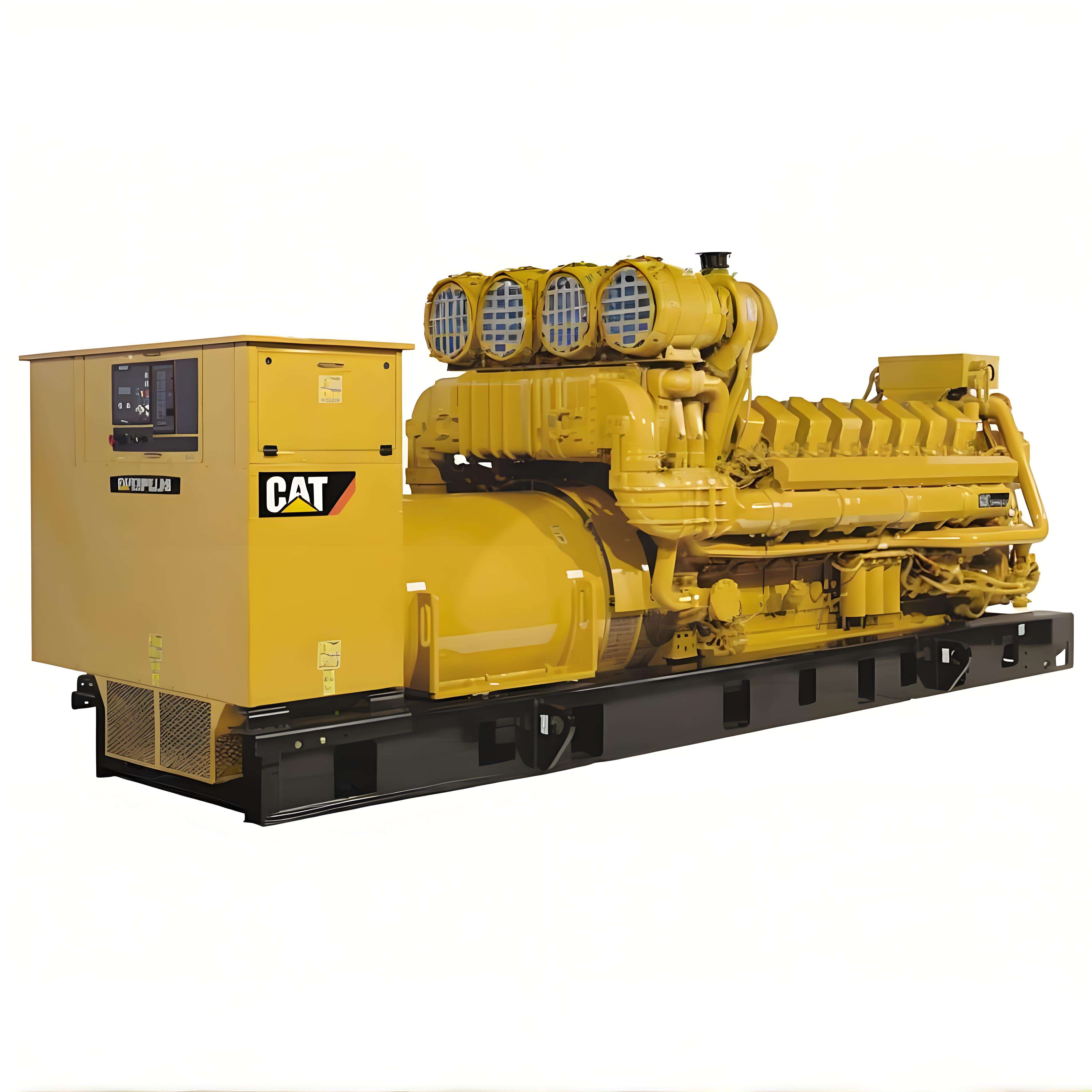
Industrial operations across various sectors require reliable power solutions that can maintain continuous productivity and operational efficiency. A cat generator set represents one of the most trusted and versatile power generation solutions available in today's industrial marketplace. These robust machines deliver consistent electrical output while maintaining exceptional durability standards that industrial facilities demand. From manufacturing plants to construction sites, these power systems have become indispensable components of modern industrial infrastructure.
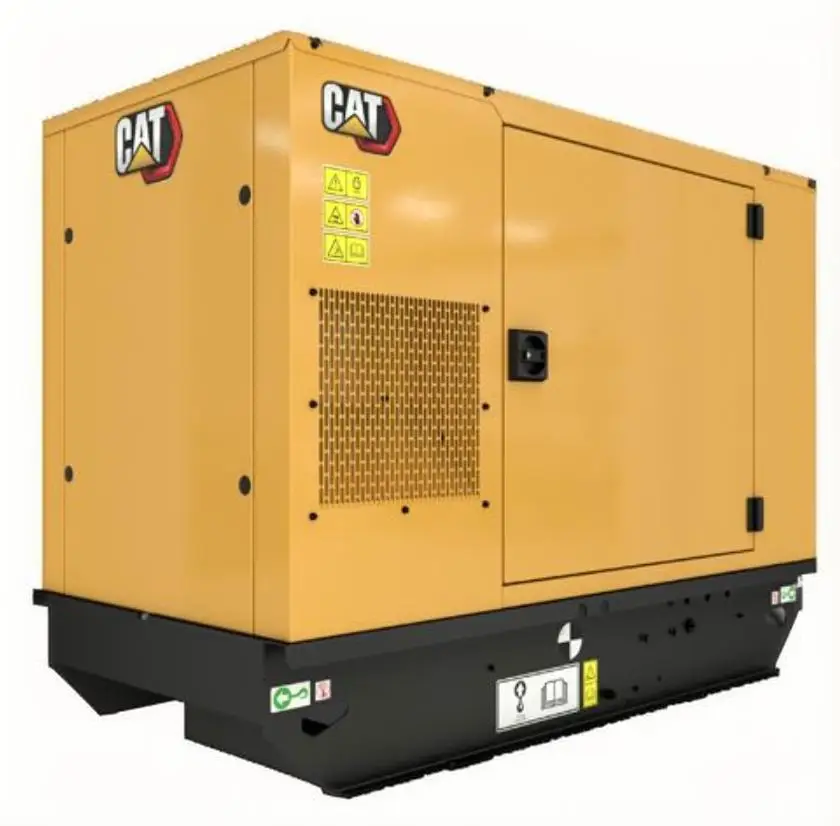
The industrial sector's growing dependence on uninterrupted power supply has elevated the importance of selecting appropriate backup power systems. These generator systems provide essential electrical backup during grid failures, ensuring that critical operations continue without disruption. Industries spanning from healthcare facilities to data centers rely on these dependable power sources to maintain their operational integrity and protect valuable equipment from power fluctuations.
Manufacturing Applications and Industrial Integration
Production Line Power Support
Manufacturing facilities utilize generator systems as primary backup power sources to protect against production line shutdowns that could result in significant financial losses. These power systems integrate seamlessly with existing electrical infrastructure through automatic transfer switches that activate within seconds of detecting power interruptions. The reliability of these systems ensures that precision manufacturing equipment maintains consistent operation, preventing costly production delays and material waste.
Modern manufacturing environments require power solutions capable of handling varying electrical loads while maintaining stable voltage and frequency output. Generator systems designed for industrial applications feature advanced load management capabilities that automatically adjust power output based on real-time demand. This intelligent load distribution ensures optimal fuel efficiency while providing adequate power reserves for unexpected load increases during peak production periods.
Quality Control and Testing Equipment
Industrial quality control processes depend heavily on sensitive testing equipment that requires stable, clean power to function accurately. Generator systems equipped with advanced voltage regulation technology provide the consistent electrical environment necessary for precision measurement instruments and automated testing systems. These power solutions eliminate voltage fluctuations that could compromise test results or damage expensive quality assurance equipment.
Temperature-controlled testing environments and calibrated measurement devices benefit significantly from the stable power output that industrial generator systems provide. The clean electrical output reduces electromagnetic interference that could affect sensitive electronic instruments, ensuring that quality control processes maintain their accuracy standards even during primary power disruptions.
Construction and Infrastructure Development
Remote Construction Site Power
Construction projects in remote locations often lack access to reliable grid power, making portable generator systems essential for maintaining project schedules and productivity. These mobile power solutions provide the electrical capacity needed to operate heavy machinery, lighting systems, and temporary facilities at construction sites. The robust construction of industrial generators ensures reliable operation in challenging environmental conditions typically encountered at construction sites.
Large-scale construction projects require multiple power sources to support various operational zones simultaneously. Industrial generator systems can be configured in parallel arrangements to provide scalable power capacity that matches project requirements. This flexibility allows construction managers to optimize power distribution while maintaining redundancy for critical construction activities that cannot be interrupted.
Infrastructure Maintenance Operations
Infrastructure maintenance activities often require temporary power solutions that can operate independently from existing electrical systems. cat generator set units provide the mobility and power capacity necessary for maintenance operations on bridges, tunnels, and other infrastructure elements. These applications demand generators that can deliver reliable power while withstanding exposure to various weather conditions and operational environments.
Emergency infrastructure repairs frequently occur in locations where grid power may be compromised or unavailable. Portable generator systems enable maintenance crews to operate power tools, lighting equipment, and communication systems necessary for effective repair operations. The ability to quickly deploy and connect these power sources significantly reduces downtime for critical infrastructure components.
Healthcare and Critical Facility Applications
Hospital Emergency Power Systems
Healthcare facilities represent one of the most critical applications for backup generator systems, where power interruptions can directly impact patient safety and medical equipment functionality. These installations require generators capable of providing immediate power transfer with minimal interruption to life-support systems and critical medical devices. The reliability standards for healthcare generator systems exceed those of most other industrial applications due to the life-safety implications of power failures.
Modern medical equipment operates with increasingly sophisticated electronic components that require stable, high-quality electrical power to function correctly. Generator systems designed for healthcare applications incorporate advanced power conditioning features that provide clean electrical output comparable to utility-grade power. This ensures that sensitive medical devices maintain their operational accuracy and reliability during extended power outages.
Research Laboratory Backup Power
Scientific research facilities depend on consistent power supply to maintain controlled environmental conditions and protect valuable research samples and equipment. Generator systems supporting laboratory operations must provide stable power output that prevents temperature fluctuations in storage systems and maintains the operation of critical ventilation and filtration systems. Power interruptions in research environments can result in the loss of years of research data and expensive biological samples.
Laboratory equipment such as electron microscopes, spectroscopy instruments, and automated analysis systems require exceptionally clean power with minimal harmonic distortion. Industrial generator systems equipped with advanced filtering and voltage regulation technology ensure that research equipment maintains its precision and accuracy during backup power operation. This level of power quality protection is essential for maintaining the integrity of ongoing research projects.
Data Center and Technology Infrastructure
Server Farm Backup Power Solutions
Data centers and server facilities require uninterrupted power supply to maintain continuous operation of critical IT infrastructure and prevent data loss. Generator systems supporting data center operations must provide instant power transfer capabilities and maintain stable electrical output for extended periods. The financial impact of data center downtime makes backup power reliability a critical factor in facility design and operation.
Modern data centers consume substantial amounts of electrical power while requiring precise voltage and frequency control to protect sensitive computer equipment. Generator systems designed for data center applications incorporate sophisticated load management and power conditioning features that ensure stable operation of servers, storage systems, and networking equipment. These power solutions must also coordinate with uninterruptible power supply systems to provide seamless power transition during outages.
Telecommunications Infrastructure Support
Telecommunications facilities require continuous power supply to maintain communication networks and emergency services connectivity. Generator systems supporting telecommunications infrastructure must operate reliably in remote locations with minimal maintenance requirements. These applications often demand extended runtime capabilities to support communication systems during prolonged power outages caused by natural disasters or grid failures.
Cell tower installations and communication hubs utilize generator systems as primary backup power sources to ensure continuous service availability. The reliability of telecommunications infrastructure during emergencies depends significantly on the performance of backup generator systems. These installations require generators capable of automatic startup and operation without human intervention, ensuring that communication services remain available when they are needed most.
Mining and Resource Extraction Industries
Mining Operation Power Requirements
Mining operations frequently occur in remote locations where reliable grid power is unavailable, making generator systems essential for maintaining continuous production activities. These applications require robust power solutions capable of operating in harsh environmental conditions while providing the electrical capacity needed for heavy mining equipment and processing systems. The economic impact of production interruptions makes power system reliability a critical factor in mining operations.
Underground mining operations present unique challenges for power systems, including exposure to dust, moisture, and potentially explosive atmospheres. Generator systems designed for mining applications incorporate specialized enclosures and safety features that ensure safe operation in these challenging environments. The ability to provide reliable power in underground locations is essential for maintaining ventilation systems and safety equipment that protect mining personnel.
Oil and Gas Field Applications
Oil and gas production facilities require continuous power supply for pumping systems, processing equipment, and safety monitoring systems. Generator systems supporting these operations must provide reliable power in remote locations while meeting strict safety requirements for hazardous environments. The critical nature of oil and gas production makes backup power system reliability essential for maintaining operational safety and environmental protection.
Offshore oil platforms and remote drilling sites depend entirely on generator systems for their electrical power needs. These applications demand generators capable of continuous operation for extended periods with minimal maintenance requirements. The harsh marine environment and remote location of these facilities make power system reliability and durability critical factors in equipment selection and installation design.
FAQ
What capacity considerations are important when selecting a generator for industrial use
Industrial generator capacity selection requires careful analysis of both starting and running electrical loads, including motor starting requirements that can be significantly higher than running loads. Facilities should calculate total connected load, apply appropriate demand factors, and include capacity reserves for future expansion. Professional load analysis ensures that the selected generator can handle peak demands while maintaining stable voltage and frequency output.
How do maintenance requirements differ between industrial and residential generator applications
Industrial generators typically operate for longer periods and under more demanding conditions than residential units, requiring more frequent maintenance intervals and specialized service procedures. Commercial-grade generators feature robust construction with serviceable components designed for extended operation cycles. Maintenance programs for industrial applications should include regular oil analysis, comprehensive electrical testing, and preventive component replacement schedules.
What environmental factors affect generator performance in industrial settings
Industrial environments expose generators to various challenging conditions including temperature extremes, dust, moisture, and chemical exposure that can impact performance and reliability. Proper enclosure selection, ventilation design, and environmental protection features are essential for maintaining optimal generator operation. Installation locations should provide adequate ventilation while protecting equipment from direct exposure to harsh environmental conditions.
How do automatic transfer systems integrate with industrial electrical infrastructure
Automatic transfer switches monitor utility power quality and automatically transfer electrical loads to generator power when utility service falls outside acceptable parameters. These systems coordinate with generator controls to ensure proper startup sequences and load transfer timing. Integration with building management systems provides remote monitoring capabilities and enables coordinated response to power quality issues affecting critical industrial processes.
Table of Contents
- Manufacturing Applications and Industrial Integration
- Construction and Infrastructure Development
- Healthcare and Critical Facility Applications
- Data Center and Technology Infrastructure
- Mining and Resource Extraction Industries
-
FAQ
- What capacity considerations are important when selecting a generator for industrial use
- How do maintenance requirements differ between industrial and residential generator applications
- What environmental factors affect generator performance in industrial settings
- How do automatic transfer systems integrate with industrial electrical infrastructure