
 EN
EN
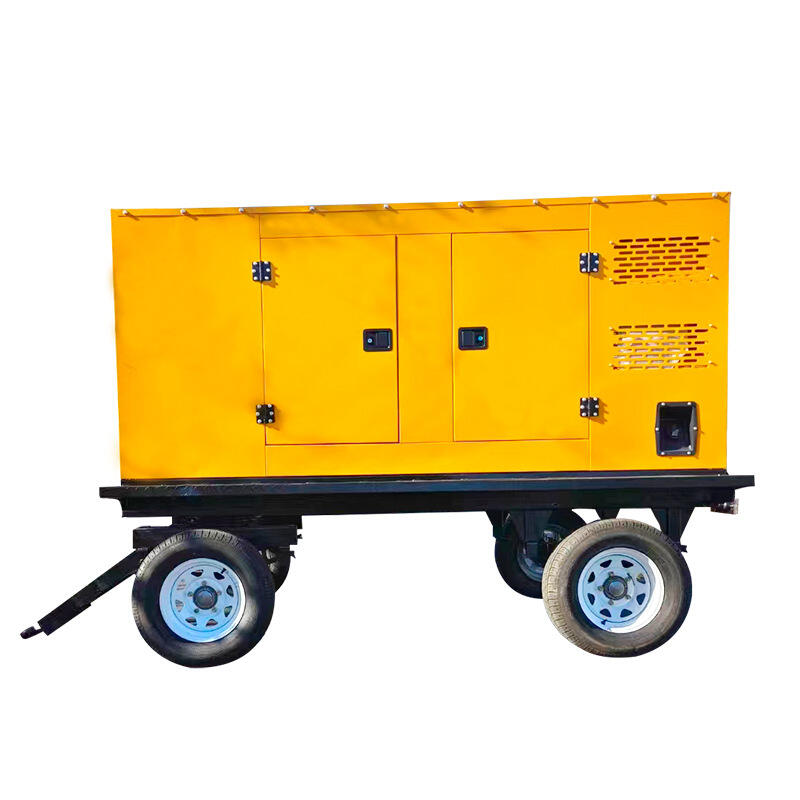
Construction sites demand reliable power solutions that can adapt to challenging environments and diverse operational requirements. A mobile generator set serves as the backbone of modern construction operations, providing consistent electrical power for tools, lighting, and essential equipment regardless of location. These portable powerhouses have revolutionized how construction teams approach remote projects, enabling work to continue efficiently even in areas without established electrical infrastructure. The versatility and reliability of a mobile generator set make it an indispensable asset for contractors, project managers, and construction companies worldwide.
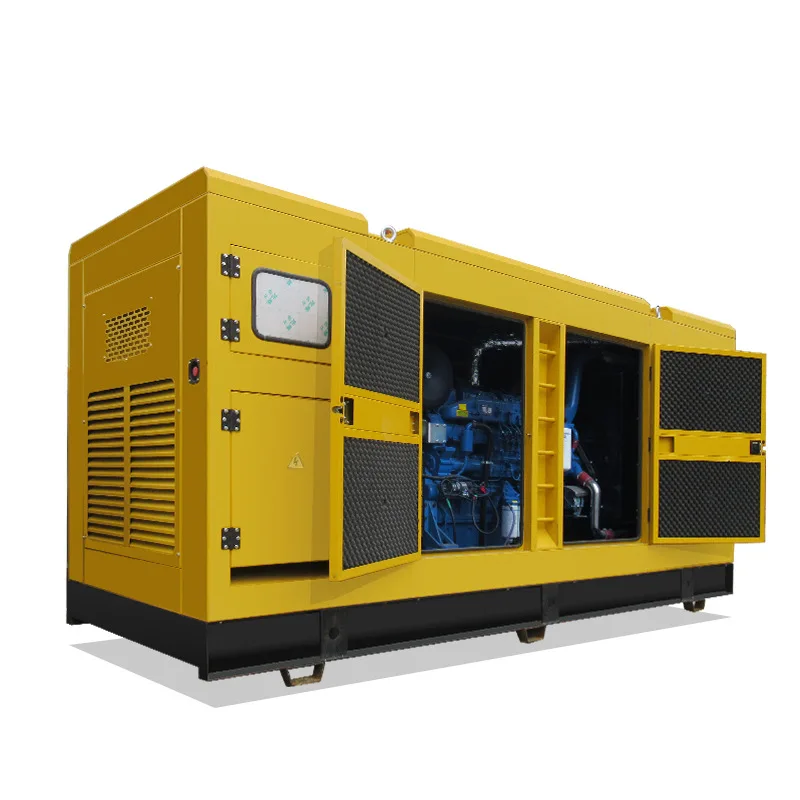
Understanding Mobile Generator Technology
Core Components and Engineering
Modern mobile generator set designs incorporate advanced engineering principles to maximize efficiency and durability. The primary components include a diesel or gas engine coupled with an alternator, all mounted on a robust trailer chassis for easy transportation. These units feature sophisticated control systems that monitor engine performance, fuel consumption, and electrical output parameters. The integration of digital displays and remote monitoring capabilities allows operators to track the mobile generator set performance in real-time, ensuring optimal operation throughout extended construction projects.
The alternator technology in contemporary mobile generator set models utilizes brushless designs that reduce maintenance requirements while improving power quality. Advanced voltage regulation systems maintain stable output even under varying load conditions, protecting sensitive electronic equipment commonly used in modern construction operations. Weather-resistant enclosures protect critical components from dust, moisture, and temperature fluctuations, ensuring reliable operation in harsh construction environments.
Power Output Classifications
Mobile generator set units are classified according to their power output capacity, ranging from compact 20kW models suitable for small construction teams to massive 2000kW units capable of powering entire construction complexes. Mid-range units between 100kW and 500kW represent the most popular segment for general construction applications, offering an optimal balance of power output and portability. These classifications help construction professionals select the appropriate mobile generator set based on their specific power requirements and site constraints.
The power output rating directly influences the number of tools and equipment that can operate simultaneously, making proper sizing crucial for project efficiency. Load analysis calculations consider both continuous power requirements and peak demand scenarios to ensure the selected mobile generator set can handle temporary power spikes without compromising performance or reliability.
Leading International Manufacturers
European Engineering Excellence
European manufacturers have established themselves as pioneers in mobile generator set technology, with companies like Atlas Copco and Himoinsa leading innovation in fuel efficiency and emission control. These manufacturers focus on creating environmentally conscious solutions that comply with stringent European emission standards while maintaining superior performance characteristics. Their mobile generator set models incorporate advanced fuel injection systems and turbocharging technology to optimize combustion efficiency and reduce environmental impact.
The engineering philosophy of European manufacturers emphasizes long-term reliability and serviceability, resulting in mobile generator set designs that can withstand thousands of operating hours with minimal maintenance intervention. Quality control processes ensure consistent manufacturing standards across all production facilities, providing construction professionals with dependable power solutions backed by comprehensive warranty programs and global service networks.
American Industrial Innovation
American manufacturers such as Caterpillar and Generac have built their reputations on producing rugged, high-performance mobile generator set units designed for demanding industrial applications. These companies leverage decades of experience in heavy machinery manufacturing to create generator systems that excel in challenging construction environments. The focus on durability and ease of maintenance makes American-built mobile generator set models particularly popular among construction companies operating in remote or harsh conditions.
Innovation in control systems and connectivity features distinguishes American manufacturers in the mobile generator set market. Integration with fleet management systems and predictive maintenance technologies helps construction companies optimize equipment utilization and reduce operational costs through proactive service scheduling and performance monitoring.
Performance Factors and Selection Criteria
Fuel Efficiency Considerations
Fuel consumption represents a significant operational expense for construction projects utilizing mobile generator set equipment, making efficiency optimization a critical selection factor. Modern units incorporate electronic fuel injection systems and variable speed governors that adjust engine RPM based on electrical load demands, significantly reducing fuel consumption during periods of lower power requirements. This intelligent load management can reduce fuel costs by up to 30% compared to fixed-speed alternatives.
The relationship between load factor and fuel efficiency in a mobile generator set demonstrates why proper sizing is essential for cost-effective operation. Units operating at 75-85% of rated capacity typically achieve optimal fuel efficiency, while oversized generators running at low loads consume disproportionately more fuel per kilowatt-hour produced.
Mobility and Transportation Features
Transportation logistics significantly impact the practical utility of mobile generator set equipment on construction sites. Trailer-mounted designs with integrated lifting points and tie-down systems facilitate safe and efficient movement between project locations. The overall dimensions and weight distribution must comply with highway transportation regulations while maintaining stability during transit and operation.
Advanced mobile generator set models feature hydraulic leveling systems that automatically adjust the unit's position on uneven terrain, ensuring stable operation and optimal engine performance regardless of site conditions. Quick-connect electrical and fuel systems reduce setup time when relocating equipment, minimizing project delays and improving overall productivity.
Maintenance and Reliability Standards
Preventive Maintenance Protocols
Establishing comprehensive maintenance protocols is essential for maximizing mobile generator set reliability and service life. Regular inspection schedules should include engine oil analysis, air filter replacement, and cooling system checks to prevent unexpected failures during critical construction phases. Digital monitoring systems in modern mobile generator set units track operating parameters and provide maintenance alerts based on actual usage patterns rather than arbitrary time intervals.
Professional maintenance programs offered by manufacturers typically include remote diagnostic capabilities that allow technicians to assess mobile generator set performance and identify potential issues before they result in costly downtime. These proactive approaches to maintenance management help construction companies maintain consistent power availability while controlling service costs through optimized maintenance scheduling.
Component Longevity and Replacement
The modular design of contemporary mobile generator set systems facilitates efficient component replacement and upgrade procedures. Major components such as engines and alternators are designed for independent service, allowing partial rebuilds without complete unit replacement. This approach extends overall equipment life while providing opportunities to upgrade performance capabilities as technology advances.
Availability of replacement parts and local service support networks directly impacts the long-term cost-effectiveness of mobile generator set ownership. Manufacturers with established global distribution networks can provide faster parts delivery and technical support, reducing equipment downtime and maintaining project schedules during critical construction phases.
Environmental and Regulatory Compliance
Emission Control Technologies
Modern environmental regulations require mobile generator set manufacturers to implement advanced emission control technologies that significantly reduce pollutant output without compromising performance. Diesel particulate filters and selective catalytic reduction systems have become standard features in newer mobile generator set models, enabling compliance with Tier 4 emission standards while maintaining fuel efficiency and reliability.
The integration of emission control systems affects both the initial cost and ongoing maintenance requirements of mobile generator set equipment. Construction companies must factor these considerations into their equipment selection process, balancing regulatory compliance costs against potential benefits from improved fuel efficiency and reduced environmental impact.
Noise Reduction Specifications
Noise pollution regulations in urban construction environments necessitate mobile generator set designs that minimize acoustic emissions without sacrificing performance or accessibility. Advanced sound attenuation enclosures utilize multi-layer insulation and resonant chamber designs to reduce noise levels while maintaining adequate ventilation for engine cooling and component access.
The specification of sound levels at various distances helps construction professionals ensure compliance with local noise ordinances while selecting appropriate mobile generator set models for specific project locations. Super-silent models designed for noise-sensitive environments may operate at sound levels below 60 dBA at 7 meters, making them suitable for residential area construction projects.
Cost Analysis and Investment Considerations
Total Cost of Ownership Evaluation
Comprehensive cost analysis for mobile generator set investment extends beyond initial purchase price to include fuel consumption, maintenance expenses, and depreciation factors over the equipment's service life. Financial models should account for projected utilization rates, fuel price fluctuations, and potential revenue generation from equipment rental during periods of reduced internal demand.
The relationship between mobile generator set capacity and operating costs demonstrates economies of scale for larger units, while smaller generators may offer better cost-effectiveness for projects with limited power requirements. Detailed load analysis and usage projections help optimize equipment selection to minimize total ownership costs while ensuring adequate power availability.
Financing and Leasing Options
Equipment financing alternatives for mobile generator set acquisition include traditional purchase arrangements, lease-to-own programs, and flexible rental agreements that accommodate varying project durations and cash flow requirements. Manufacturer financing programs may offer competitive rates and simplified approval processes for qualified construction companies with established credit profiles.
Short-term rental options provide access to specialized mobile generator set configurations without long-term capital commitment, making them attractive for contractors working on unique projects or experiencing temporary increases in power demand. Comprehensive rental agreements typically include maintenance coverage and technical support, transferring operational risks to the rental provider.
Future Technology Trends
Smart Grid Integration
Emerging technologies are transforming mobile generator set capabilities through integration with smart grid systems and renewable energy sources. Hybrid configurations combining diesel generators with battery storage and solar panels optimize fuel consumption while providing uninterrupted power during variable weather conditions. These advanced systems require sophisticated control algorithms to manage power distribution and energy storage efficiently.
Internet connectivity enables remote monitoring and control of mobile generator set operations through cloud-based platforms that provide real-time performance data and predictive maintenance recommendations. Integration with construction management software systems allows automated power management based on project schedules and equipment utilization patterns.
Alternative Fuel Technologies
Development of alternative fuel mobile generator set models addresses environmental concerns and fuel cost volatility through implementation of natural gas, propane, and biofuel compatibility. These alternative fuel systems offer reduced emissions and potential cost savings in regions with abundant natural gas infrastructure or renewable fuel availability.
Hydrogen fuel cell technology represents the next frontier in mobile generator set development, promising zero-emission operation with high efficiency and quiet performance characteristics. While current technology limitations restrict widespread adoption, ongoing research and development efforts continue advancing fuel cell viability for construction applications.
FAQ
What factors determine the appropriate size mobile generator set for a construction project
The appropriate mobile generator set size depends on total connected load requirements, including both continuous and peak power demands from all equipment and tools. Construction professionals should conduct a comprehensive load analysis accounting for motor starting currents, lighting systems, temporary facilities, and future expansion needs. Generally, selecting a mobile generator set with 25% capacity above calculated requirements provides adequate reserve for unexpected load additions and ensures reliable operation under varying conditions.
How does fuel quality affect mobile generator set performance and maintenance requirements
Fuel quality significantly impacts mobile generator set engine performance, emission levels, and component longevity. High-quality diesel fuel with proper additives reduces injector fouling, improves combustion efficiency, and extends service intervals. Contaminated or degraded fuel can cause fuel system damage, increased maintenance costs, and potential engine failure. Construction sites should implement fuel quality management procedures including regular testing, proper storage practices, and filtration systems to ensure optimal mobile generator set performance.
What are the key differences between standby and prime power ratings for mobile generator sets
Standby power ratings indicate maximum output available for emergency or backup applications with limited operating hours, while prime power ratings specify continuous operating capacity for extended periods without utility power availability. A mobile generator set operating in prime power mode typically has a lower output rating than the same unit in standby service. Construction applications requiring continuous power should specify prime power ratings to ensure reliable long-term operation without exceeding manufacturer recommendations.
How do weather conditions affect mobile generator set operation and what protective measures are recommended
Extreme weather conditions including high temperatures, humidity, altitude, and precipitation can significantly impact mobile generator set performance and reliability. High ambient temperatures reduce power output and increase cooling system demands, while cold weather affects fuel viscosity and battery performance. Protective measures include weather-resistant enclosures, auxiliary heating systems for cold climates, enhanced cooling systems for hot environments, and regular inspection of seals and gaskets to prevent moisture infiltration that could damage electrical components.
Table of Contents
- Understanding Mobile Generator Technology
- Leading International Manufacturers
- Performance Factors and Selection Criteria
- Maintenance and Reliability Standards
- Environmental and Regulatory Compliance
- Cost Analysis and Investment Considerations
- Future Technology Trends
-
FAQ
- What factors determine the appropriate size mobile generator set for a construction project
- How does fuel quality affect mobile generator set performance and maintenance requirements
- What are the key differences between standby and prime power ratings for mobile generator sets
- How do weather conditions affect mobile generator set operation and what protective measures are recommended