
 EN
EN
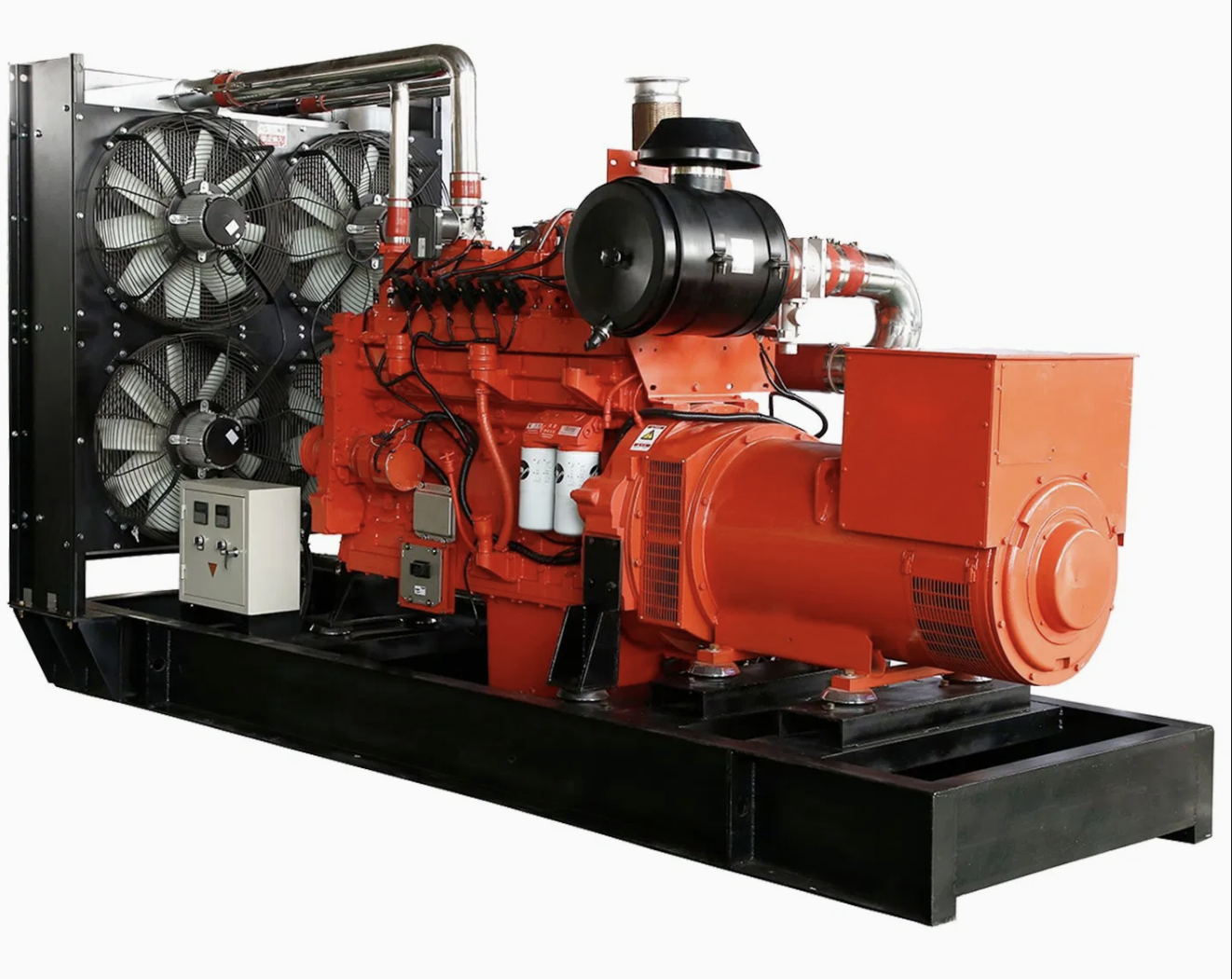
Installing an industrial gas generator set requires careful planning, technical expertise, and adherence to safety protocols to ensure optimal performance and longevity. A properly installed gas generator set can provide reliable backup power for manufacturing facilities, hospitals, data centers, and other critical infrastructure for decades when installed correctly. The installation process involves multiple phases including site preparation, electrical connections, gas line installation, and comprehensive testing procedures that must be executed by qualified professionals.
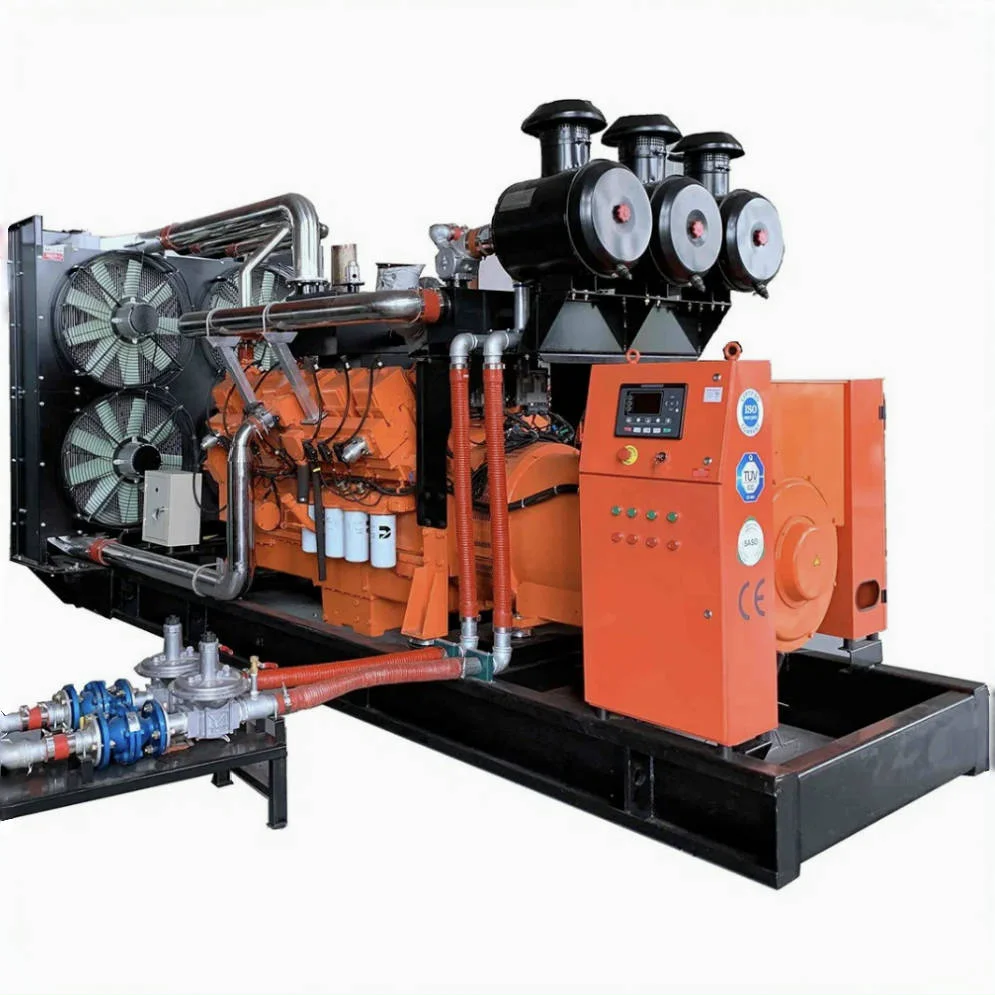
Modern gas generator set installations have become increasingly sophisticated, incorporating advanced control systems, remote monitoring capabilities, and automated transfer switches that seamlessly integrate with existing electrical infrastructure. Understanding the complete installation process helps facility managers make informed decisions about power generation solutions while ensuring compliance with local building codes and safety regulations. This comprehensive guide covers every aspect of industrial gas generator set installation from initial planning through final commissioning.
Pre-Installation Planning and Site Assessment
Site Selection Criteria
The foundation of successful gas generator set installation begins with proper site selection and thorough assessment of environmental factors. The installation location must provide adequate ventilation, drainage, and accessibility for maintenance personnel while maintaining appropriate clearances from buildings and property lines. Consider factors such as prevailing wind direction, noise impact on neighboring properties, and proximity to gas supply lines when selecting the optimal installation site for your gas generator set.
Soil conditions play a crucial role in foundation design and must be evaluated through professional soil analysis to determine load-bearing capacity and drainage characteristics. The selected site should be level or easily graded to accommodate the generator pad and associated equipment while providing proper slope for water runoff. Additionally, the location must allow for future maintenance access and potential equipment replacement without significant obstruction or modification to existing structures.
Utility Infrastructure Assessment
Comprehensive evaluation of existing utility infrastructure ensures seamless integration of the gas generator set with current electrical and gas systems. This assessment includes analyzing electrical panel capacity, determining transfer switch requirements, and evaluating the condition of existing electrical connections. Gas supply infrastructure must be assessed for capacity, pressure requirements, and compliance with local utility regulations to support the anticipated fuel consumption of the gas generator set.
Coordination with utility companies during the planning phase prevents delays and ensures proper permitting for gas line modifications or upgrades. Electrical load analysis helps determine the appropriate size and configuration of transfer equipment while identifying any necessary electrical system modifications. This thorough assessment phase typically requires input from licensed electricians, gas fitters, and mechanical engineers to ensure all aspects of the installation meet regulatory requirements and operational specifications.
Foundation and Structural Requirements
Concrete Pad Specifications
The concrete foundation for a gas generator set must be engineered to support the static and dynamic loads generated during operation while providing a stable, level platform for the equipment. Foundation design specifications vary based on generator size, soil conditions, and local building codes, but typically require reinforced concrete with minimum thickness of six to eight inches for smaller units and proportionally thicker for larger industrial installations.
Proper foundation design includes provisions for equipment mounting bolts, conduit penetrations, and drainage features that prevent water accumulation around the generator base. The concrete pad should extend beyond the generator footprint by at least twelve inches on all sides to provide adequate support and facilitate maintenance access. Curing time for the concrete foundation must be adequate before proceeding with gas generator set installation, typically requiring at least seven days for initial strength development and twenty-eight days for full cure depending on weather conditions.
Vibration Isolation and Noise Control
Industrial gas generator set installations require effective vibration isolation systems to minimize structural transmission of operational vibrations and reduce noise impact on surrounding areas. Vibration isolation pads or spring isolators are installed between the generator skid and foundation to absorb mechanical vibrations generated during operation. The selection of appropriate isolation materials depends on generator size, operating frequency, and local noise ordinances that may restrict sound levels during different hours of operation.
Sound attenuation measures may include acoustic enclosures, sound barriers, or specialized exhaust silencers depending on installation location and noise requirements. These measures are particularly important for gas generator set installations in residential areas or noise-sensitive environments such as hospitals or schools. Professional acoustic analysis helps determine the most effective noise control strategies while maintaining proper ventilation and accessibility for routine maintenance procedures.
Electrical Installation and Integration
Transfer Switch Configuration
The automatic transfer switch serves as the critical interface between utility power and the gas generator set, automatically detecting utility power failures and transferring electrical loads to generator power within seconds. Transfer switch installation requires careful coordination with existing electrical panels and must comply with National Electrical Code requirements for emergency and standby power systems. The selection of appropriate transfer switch capacity and configuration depends on the electrical loads to be supported and the desired level of automation for the gas generator set system.
Proper transfer switch installation includes provisions for utility power monitoring, generator status indication, and manual override capabilities that allow operators to control system operation during maintenance or testing procedures. Electrical connections between the transfer switch and gas generator set must be sized appropriately for maximum generator output and installed using approved conduit and wiring methods. Load bank testing after installation verifies proper transfer switch operation and confirms that all electrical connections can safely carry the full rated current of the gas generator set.
Control System Integration
Modern gas generator set control systems provide sophisticated monitoring and control capabilities that can be integrated with building management systems or remote monitoring platforms. Control system installation includes programming of operational parameters, alarm settings, and communication protocols that enable remote monitoring of generator status and performance data. These systems typically include features such as automatic engine warm-up cycles, load bank testing capabilities, and comprehensive fault diagnostics that enhance reliability and reduce maintenance requirements.
Integration with existing building automation systems allows facility managers to monitor gas generator set operation alongside other critical building systems while providing centralized control and alarming capabilities. Proper installation of communication cables and network connections ensures reliable data transmission and enables remote troubleshooting capabilities that can reduce service response times and minimize downtime during maintenance procedures.
Gas Supply System Installation
Gas Line Sizing and Routing
Proper gas line installation is critical for reliable gas generator set operation and must be designed to deliver adequate fuel flow at the required pressure throughout the full load range of the generator. Gas line sizing calculations consider factors such as generator fuel consumption, line length, elevation changes, and pressure drop limitations to ensure sufficient fuel delivery capacity. Professional gas fitters must install all gas piping using approved materials and methods that comply with local plumbing codes and utility company requirements.
Gas line routing should minimize the number of fittings and direction changes while providing adequate support and protection from mechanical damage. Emergency shutoff valves must be installed at appropriate locations to enable rapid fuel isolation during maintenance or emergency situations. Gas line pressure testing and leak detection procedures verify system integrity before connecting the gas generator set and must be performed by qualified technicians using calibrated test equipment according to established safety protocols.
Fuel Quality and Conditioning
Gas quality requirements for industrial generator applications may necessitate fuel conditioning equipment to remove impurities, regulate pressure, or adjust heating value for optimal engine performance. Natural gas supply systems may require filtration and pressure regulation equipment to ensure consistent fuel quality and protect sensitive engine components from contamination or pressure fluctuations. The gas generator set fuel system design must accommodate variations in gas composition and heating value that may occur with different fuel sources such as natural gas, propane, or biogas.
Installation of gas conditioning equipment includes proper sizing of regulators, filters, and safety devices that protect the generator engine from fuel-related problems while ensuring compliance with manufacturer specifications. Regular monitoring of fuel quality parameters helps identify potential issues before they affect gas generator set performance and may require installation of gas analysis equipment for critical applications where fuel quality variations could impact operational reliability.
Exhaust System Design and Installation
Exhaust Piping Configuration
The exhaust system for a gas generator set must safely remove combustion gases while minimizing backpressure that could affect engine performance and efficiency. Exhaust piping design considers factors such as pipe diameter, routing configuration, thermal expansion provisions, and termination location to ensure safe dispersion of exhaust gases away from air intakes and occupied areas. Proper support and insulation of exhaust piping prevents thermal damage to surrounding structures and reduces noise transmission through building components.
Exhaust gas temperatures from gas generator set engines can exceed 1000 degrees Fahrenheit, requiring specialized high-temperature piping materials and thermal protection systems. Installation of flexible connectors near the engine connection point accommodates thermal expansion and engine vibration while maintaining gas-tight seals throughout the exhaust system. Rain caps and drain provisions prevent water intrusion into the exhaust system while allowing proper gas flow and preventing condensation accumulation that could cause corrosion or operational problems.
Emissions Control Considerations
Environmental regulations may require emissions control equipment for gas generator set installations depending on location, operating hours, and local air quality requirements. Catalytic reduction systems or selective catalytic reduction equipment may be necessary to meet nitrogen oxide emissions limits in certain jurisdictions. Installation of emissions monitoring equipment enables continuous monitoring of exhaust gas composition and ensures ongoing compliance with environmental regulations throughout the operational life of the gas generator set.
Proper installation of emissions control systems requires coordination with exhaust system design to ensure adequate space allocation and proper integration with generator controls. These systems may require additional utility connections for compressed air, reagent injection, or electrical power that must be planned during the initial installation phase. Regular calibration and maintenance of emissions monitoring equipment ensures accurate data collection and regulatory compliance for the gas generator set installation.
Commissioning and Testing Procedures
Initial System Startup
The commissioning process for a gas generator set begins with comprehensive pre-startup inspections that verify all installation work has been completed according to manufacturer specifications and applicable codes. These inspections include verification of electrical connections, gas line integrity, cooling system function, and control system programming before attempting initial engine startup. Qualified technicians must perform all commissioning procedures using manufacturer-approved procedures and test equipment to ensure safe and reliable operation.
Initial startup procedures typically include engine oil and coolant checks, fuel system purging, electrical system verification, and systematic testing of all safety devices and alarms. The gas generator set control system must be programmed with site-specific parameters including transfer switch coordination, load management settings, and communication protocols for remote monitoring systems. Proper documentation of all commissioning activities provides a baseline for future maintenance and troubleshooting procedures while ensuring warranty compliance.
Performance Validation Testing
Comprehensive performance testing validates that the installed gas generator set meets all specified performance criteria including power output, fuel consumption, emissions levels, and response times for automatic operation. Load bank testing at various load levels confirms that the generator can sustain rated output while maintaining acceptable voltage and frequency regulation throughout the specified load range. These tests also verify proper operation of protective devices and automatic shutdown systems that protect the generator from operational hazards.
Transfer switch testing includes verification of automatic transfer sequences, manual override functions, and proper coordination with utility power restoration. The gas generator set must demonstrate reliable starting and loading capabilities under various conditions including cold weather operation and extended runtime scenarios. Documentation of all test results provides important baseline data for future performance monitoring and helps identify any adjustments needed to optimize system operation for site-specific conditions.
FAQ
What permits are required for gas generator set installation?
Gas generator set installations typically require building permits, electrical permits, and gas line permits from local authorities. Environmental permits may also be required depending on generator size and local air quality regulations. The specific permitting requirements vary by jurisdiction, so it is essential to consult with local building departments and utility companies early in the planning process to ensure all necessary approvals are obtained before beginning installation work.
How long does a typical gas generator set installation take?
Installation timelines for gas generator set projects typically range from two to eight weeks depending on system size, site complexity, and permit approval processes. Simple installations with existing utility infrastructure may be completed more quickly, while complex installations requiring extensive site preparation or utility upgrades may take longer. Weather conditions, equipment availability, and contractor scheduling can also affect installation timelines, making early planning and coordination essential for meeting project deadlines.
What maintenance access requirements should be considered during installation?
Gas generator set installations must provide adequate clearances for routine maintenance activities including engine servicing, control panel access, and component replacement procedures. Minimum clearances typically require three feet on the service side of the generator and eighteen inches on other sides, though larger units may require greater clearances. Access roads or pathways must accommodate maintenance vehicles and equipment delivery while considering overhead clearances for crane access during major component replacement procedures.
Can existing generators be relocated or upgraded during installation?
Existing generator systems can often be relocated or upgraded as part of new gas generator set installations, though this process requires careful evaluation of equipment condition and compatibility with new system requirements. Relocation may require foundation modifications, utility relocations, and updated control system integration that can add complexity and cost to the installation project. Professional assessment of existing equipment helps determine the most cost-effective approach for incorporating existing assets into new gas generator set installations while ensuring optimal system performance and reliability.