
 EN
EN
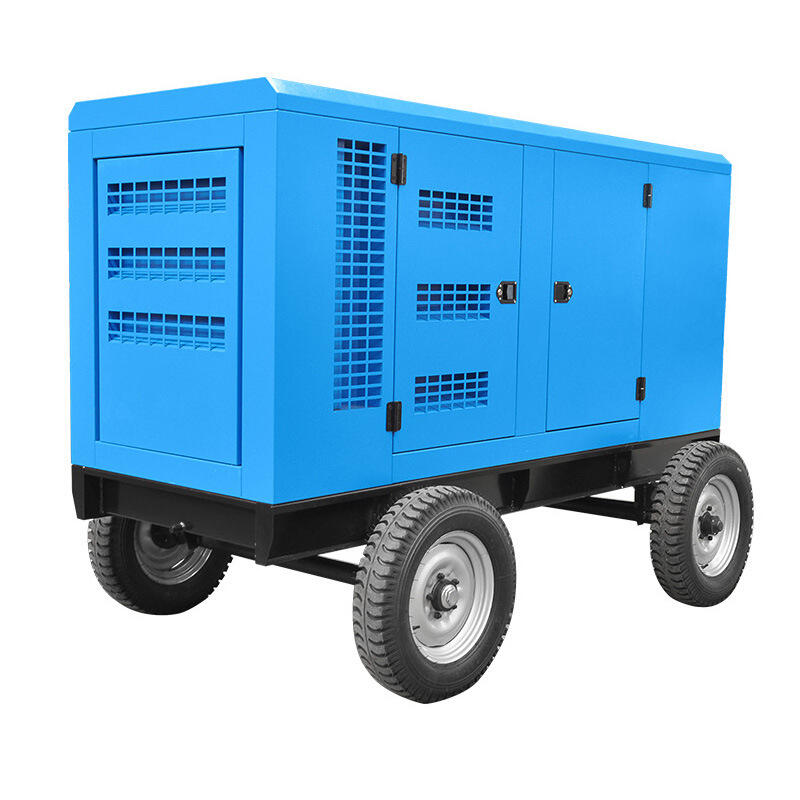
Safety protocols for a mobile generator set are essential for protecting personnel and equipment during operation. Whether deployed for emergency backup power, construction sites, or remote locations, understanding proper safety measures ensures reliable performance and prevents accidents. A mobile generator set requires careful attention to installation, operation, and maintenance procedures to maintain optimal safety standards throughout its operational lifecycle.
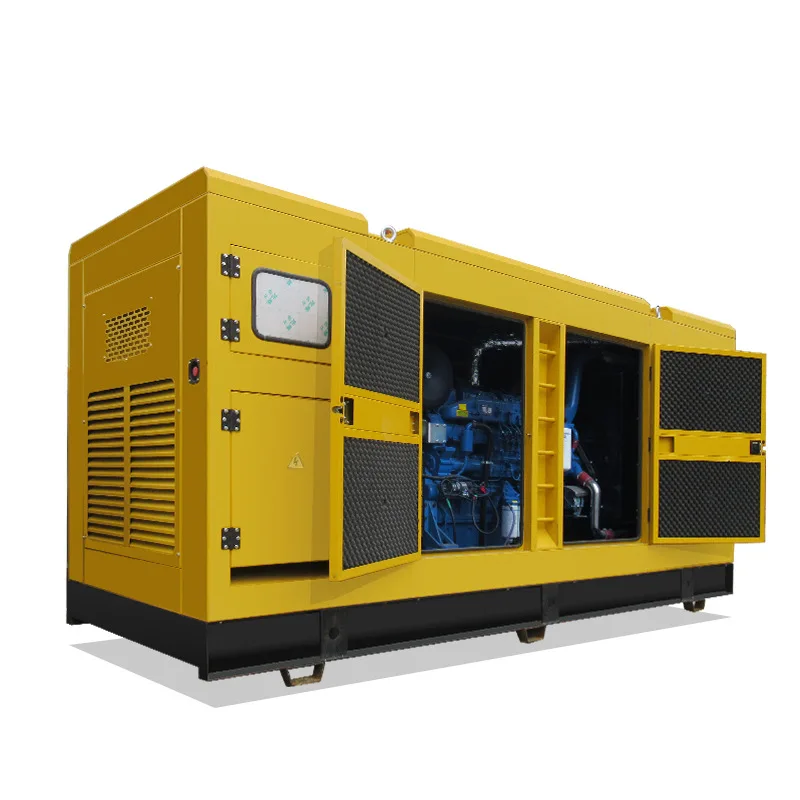
Pre-Operational Safety Assessment
Site Evaluation Requirements
Before deploying any mobile generator set, conducting a comprehensive site evaluation prevents potential hazards. The installation area must provide adequate ventilation, stable ground conditions, and proper clearance from structures. A mobile generator set should maintain minimum distances of ten feet from buildings, windows, and doors to prevent carbon monoxide infiltration. Ground stability assessment ensures the unit remains level during operation, preventing fuel spillage or mechanical stress.
Environmental factors significantly impact mobile generator set safety performance. Weather conditions, ambient temperature, and humidity levels affect operational parameters and safety requirements. Operators must evaluate potential exposure to rain, snow, or extreme temperatures that could compromise electrical connections or mechanical components. Wind direction assessment helps determine optimal positioning to direct exhaust gases away from occupied areas and prevent recirculation.
Electrical Connection Verification
Electrical safety checks form the foundation of mobile generator set operation protocols. All connections must undergo thorough inspection before energizing the system. Ground fault protection systems require verification to ensure proper functionality during fault conditions. Electrical panels should remain accessible while maintaining appropriate clearances for emergency shutdown procedures.
Load calculations prevent overloading conditions that could compromise mobile generator set safety. Electrical load assessment includes startup surge requirements, continuous load demands, and power factor considerations. Connection integrity verification prevents loose connections that generate heat and potential fire hazards. Proper cable routing eliminates tripping hazards and protects conductors from mechanical damage.
Fuel System Safety Protocols
Fuel Handling Procedures
Safe fuel handling practices are crucial for mobile generator set operation. Fuel storage containers must meet regulatory requirements and maintain proper labeling for identification purposes. Spill prevention measures include secondary containment systems and absorbent materials readily available during refueling operations. Personnel conducting fuel operations require appropriate training and personal protective equipment.
Fuel quality verification prevents contamination issues that could affect mobile generator set performance and safety. Water contamination, particulate matter, and microbial growth can cause fuel system failures and potential safety hazards. Regular fuel testing and filtration systems maintain fuel integrity throughout storage periods. Temperature considerations prevent fuel degradation and maintain optimal combustion characteristics.
Leak Detection and Prevention
Fuel leak detection systems provide early warning of potential environmental and safety hazards. Visual inspections of fuel lines, connections, and storage components identify potential leak sources before they become significant problems. A mobile generator set should incorporate automatic fuel shutoff systems that activate when leaks are detected. Regular pressure testing of fuel systems verifies integrity and identifies developing issues.
Preventive maintenance programs address fuel system components before failures occur. Replacement schedules for fuel lines, filters, and seals prevent deterioration that leads to leaks. Documentation of fuel system maintenance ensures compliance with environmental regulations and manufacturer requirements. Emergency response procedures for fuel spills include containment, cleanup, and notification protocols.
Operational Safety Measures
Starting and Shutdown Procedures
Standardized starting procedures ensure mobile generator set safety during initial operation. Pre-start checklists verify all safety systems are functional before engine start. Coolant levels, oil pressure, and fuel supply require verification before engaging the starting system. Emergency stop systems must remain accessible and functional throughout the starting sequence.
Proper shutdown procedures protect mobile generator set components and ensure safe disconnection from loads. Gradual load reduction prevents sudden mechanical stress and electrical transients. Cooling periods allow engine temperatures to stabilize before complete shutdown. Post-shutdown inspections identify any issues that developed during operation and require attention before the next start cycle.
Monitoring and Control Systems
Continuous monitoring systems provide real-time information about mobile generator set operational parameters. Temperature, pressure, and voltage monitoring prevents equipment damage and identifies developing problems. Alarm systems alert operators to conditions requiring immediate attention or emergency shutdown. Data logging capabilities maintain operational records for maintenance planning and troubleshooting purposes.
Remote monitoring capabilities enhance mobile generator set safety by enabling supervision from secure locations. Wireless communication systems transmit operational data and alarm conditions to central monitoring stations. Automated response systems can initiate protective actions when preset parameters are exceeded. Integration with facility management systems provides comprehensive power system oversight and coordination.
Maintenance Safety Requirements
Preventive Maintenance Protocols
Scheduled maintenance programs are essential for maintaining mobile generator set safety and reliability. Maintenance intervals based on operating hours, calendar time, and environmental conditions ensure optimal performance. Component inspection schedules identify wear patterns and potential failures before they compromise safety. Documentation requirements maintain compliance with warranty terms and regulatory standards.
Safety lockout procedures protect maintenance personnel during mobile generator set service operations. Electrical isolation, mechanical restraints, and energy isolation prevent accidental startup during maintenance. Personal protective equipment requirements vary based on specific maintenance tasks and environmental conditions. Training programs ensure maintenance personnel understand safety requirements and proper procedures.
Component Inspection Guidelines
Engine component inspections focus on items critical to safe mobile generator set operation. Air filtration systems require regular cleaning or replacement to maintain proper combustion and prevent engine damage. Cooling system inspection includes radiator cleaning, coolant level verification, and thermostat functionality testing. Belt and hose inspections identify deterioration before failures occur during critical operations.
Electrical component inspection ensures continued safe operation of mobile generator set control and protection systems. Connection tightness verification prevents overheating and potential fire hazards. Insulation testing identifies deteriorating components before they cause ground faults or short circuits. Battery systems require specific inspection procedures to maintain starting reliability and prevent hazardous conditions.
Emergency Response Procedures
Fire Safety Measures
Fire suppression systems appropriate for mobile generator set installations consider fuel type, electrical hazards, and environmental constraints. Portable fire extinguishers must be rated for Class B and Class C fires to address fuel and electrical fire scenarios. Automatic fire suppression systems provide protection when personnel are not present. Emergency shutdown procedures include fuel supply isolation and electrical disconnection.
Fire prevention measures focus on eliminating ignition sources and controlling fuel vapor accumulation. Hot surface protection prevents fuel vapor ignition from exhaust components or electrical equipment. Ventilation systems ensure adequate air movement to prevent combustible vapor concentration. Smoking and open flame restrictions in mobile generator set areas eliminate common ignition sources.
Environmental Protection
Environmental protection measures prevent mobile generator set operations from causing ecological damage or regulatory violations. Spill containment systems collect fuel and oil leaks before they reach soil or water sources. Air emissions monitoring ensures compliance with environmental regulations and identifies maintenance needs. Noise control measures protect personnel and comply with local ordinances.
Waste management procedures address used oil, filters, and other consumables from mobile generator set maintenance. Proper disposal methods prevent environmental contamination and ensure regulatory compliance. Documentation requirements maintain records of waste generation and disposal activities. Contractor qualification ensures waste disposal services meet environmental standards and regulatory requirements.
Personnel Training and Certification
Operator Qualification Requirements
Operator training programs ensure personnel understand mobile generator set safety requirements and operational procedures. Initial training covers basic operation, safety protocols, and emergency response procedures. Ongoing training addresses equipment updates, regulatory changes, and lessons learned from operational experience. Competency verification ensures operators can safely perform required tasks.
Certification programs validate operator knowledge and skills for mobile generator set operation. Written examinations test understanding of safety procedures, operational requirements, and emergency response protocols. Practical demonstrations verify ability to perform startup, shutdown, and routine maintenance tasks safely. Recertification requirements ensure continued competency and awareness of updated procedures.
Safety Communication Programs
Safety communication ensures all personnel understand mobile generator set hazards and protective measures. Safety meetings provide forums for discussing operational experiences and identifying improvement opportunities. Incident reporting systems capture near-miss events and actual incidents for analysis and prevention. Safety bulletin distribution communicates important safety information and procedural updates.
Documentation systems maintain records of training completion, incident reports, and safety communications. Training records demonstrate compliance with regulatory requirements and organizational standards. Incident analysis identifies trends and develops corrective actions to prevent recurrence. Communication effectiveness measurement ensures safety information reaches intended audiences and achieves desired behavioral changes.
Regulatory Compliance and Documentation
Code and Standard Requirements
Building codes and electrical standards establish minimum safety requirements for mobile generator set installations. National Fire Protection Association standards address fire safety, electrical safety, and fuel handling requirements. Local jurisdictions may impose additional requirements based on environmental conditions or specific hazards. Regular code updates require ongoing review and implementation of new requirements.
Equipment certifications verify mobile generator set compliance with applicable safety standards. Testing laboratory listings provide assurance of equipment safety and performance capabilities. Installation inspections by qualified authorities confirm code compliance and proper installation practices. Documentation maintenance ensures continued compliance throughout the equipment lifecycle.
Record Keeping Systems
Comprehensive record keeping supports mobile generator set safety programs and regulatory compliance. Operating logs document runtime hours, maintenance activities, and operational parameters. Inspection records provide evidence of compliance with preventive maintenance programs. Incident documentation supports analysis and improvement of safety procedures.
Digital record systems enhance accessibility and organization of mobile generator set safety documentation. Cloud-based storage provides backup protection and remote access capabilities. Automated data collection reduces manual documentation requirements and improves accuracy. Integration with maintenance management systems streamlines record keeping and scheduling processes.
FAQ
What are the minimum clearance requirements for mobile generator set installation
Mobile generator set installations require minimum clearances of ten feet from buildings, windows, and doors to prevent carbon monoxide infiltration and ensure adequate ventilation. Additional clearances may be required based on local codes, environmental conditions, and specific equipment requirements. Overhead clearances must accommodate exhaust discharge and prevent heat damage to nearby structures.
How often should fuel systems be inspected for leaks
Fuel system inspections should be conducted before each operation period and at regular intervals during extended runtime. Daily visual inspections identify obvious leaks or damage, while more comprehensive inspections occur weekly or monthly depending on operating frequency. Annual pressure testing and component replacement based on manufacturer recommendations prevent deterioration-related failures.
What personal protective equipment is required for mobile generator set maintenance
Personal protective equipment requirements vary based on specific maintenance tasks but typically include safety glasses, hearing protection, work gloves, and appropriate clothing. Electrical work requires additional protection including insulated tools and arc flash protection. Fuel handling operations require chemical-resistant gloves and eye protection. Emergency eyewash and shower facilities should be readily accessible during maintenance activities.
How should emergency shutdown procedures be implemented
Emergency shutdown procedures must be clearly documented and readily accessible to all personnel. Emergency stop switches should be located within easy reach of operators and clearly marked for immediate identification. Procedures should include load disconnection, fuel supply isolation, and electrical system shutdown in proper sequence. Regular drills ensure personnel can execute emergency procedures quickly and effectively when required.