
 EN
EN
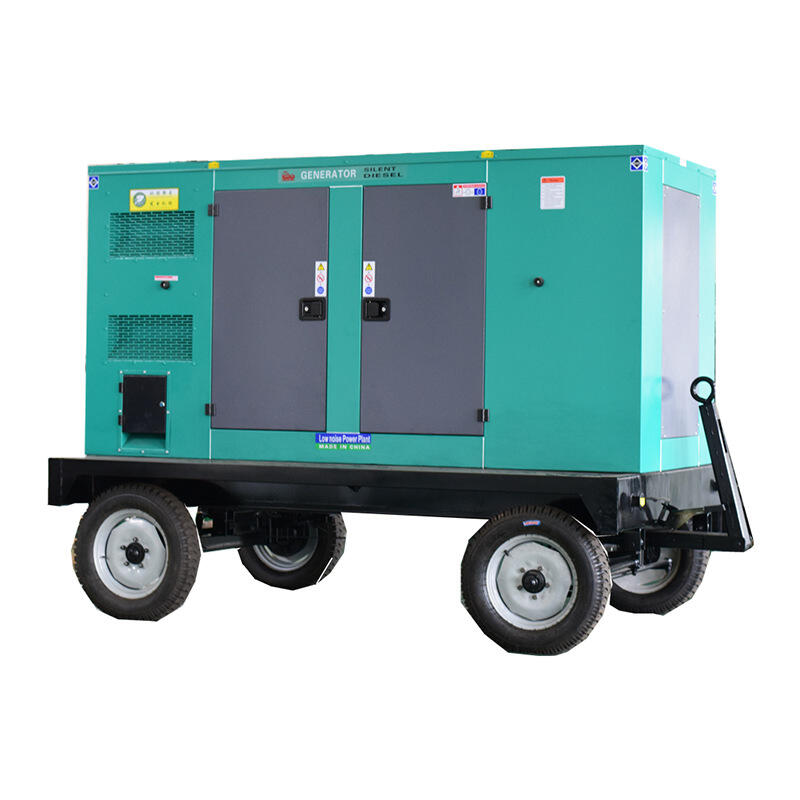
Proper maintenance of a mobile generator set is crucial for ensuring reliable power generation in critical applications across industries. These portable powerhouses serve as essential backup solutions for construction sites, emergency response operations, outdoor events, and remote facilities where grid power is unavailable or unreliable. Understanding the fundamental maintenance principles for your mobile generator set can significantly extend equipment lifespan, improve performance efficiency, and prevent costly downtime that could impact business operations or emergency response capabilities.
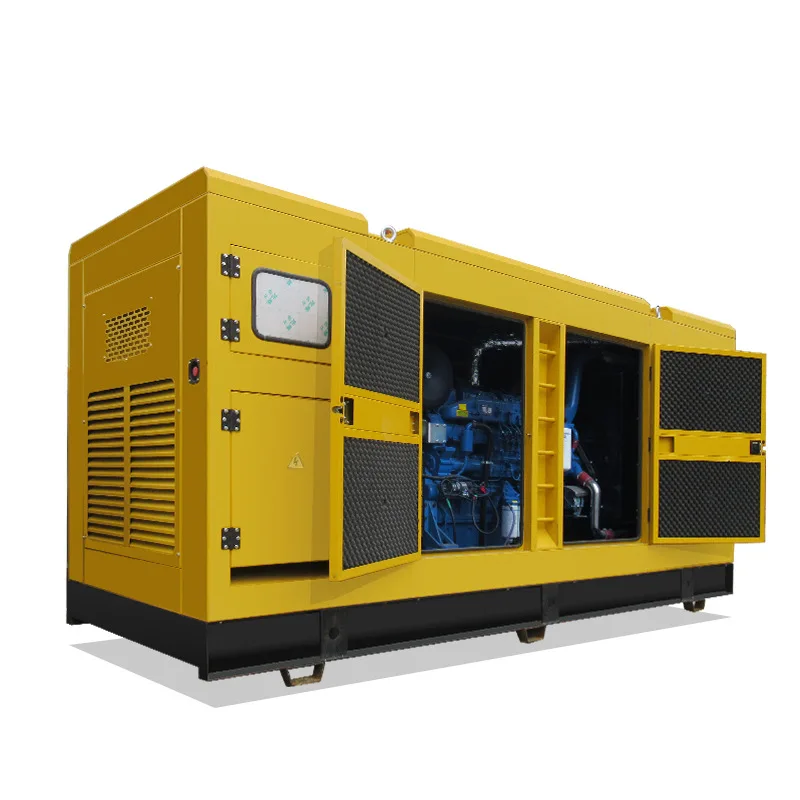
Engine Maintenance Fundamentals
Regular Oil Changes and Fluid Management
The engine represents the heart of any mobile generator set, requiring meticulous attention to lubrication systems and fluid levels. Engine oil serves as the lifeblood that protects internal components from friction, heat, and contamination. Regular oil changes should follow manufacturer specifications, typically occurring every 100 to 200 operating hours depending on environmental conditions and load factors. High-quality synthetic oils often provide superior protection and extended service intervals for mobile generator set applications.
Coolant system maintenance proves equally important for preventing engine overheating and corrosion damage. Coolant levels should be checked before each operation, and the entire cooling system requires periodic flushing and refilling with manufacturer-approved antifreeze mixtures. Fuel system maintenance includes regular filter replacements, fuel quality monitoring, and proper storage procedures to prevent contamination and degradation issues that could compromise mobile generator set performance.
Air Filter and Intake System Care
Clean air intake systems are fundamental to optimal engine performance and longevity in mobile generator set operations. Air filters trap dust, debris, and contaminants that could otherwise enter the combustion chamber and cause premature wear or damage. In dusty or harsh environments, air filter inspection and replacement should occur more frequently than standard maintenance intervals to maintain proper airflow and engine protection.
Pre-cleaner systems, where equipped, require regular servicing to remove accumulated debris and maintain effectiveness. Intake manifold inspection helps identify potential air leaks or restrictions that could affect engine efficiency. Proper air filter maintenance directly impacts fuel efficiency, emissions performance, and overall reliability of your mobile generator set during extended operating periods.
Electrical System Maintenance
Battery Care and Charging System Inspection
Battery maintenance forms a critical component of mobile generator set reliability, as starting system failures can render even well-maintained engines unusable during emergencies. Battery terminals require regular cleaning and corrosion removal using appropriate neutralizing solutions and protective coatings. Load testing should occur quarterly to verify battery capacity and identify cells requiring replacement before complete failure occurs.
Charging system components, including alternators and voltage regulators, need periodic inspection and testing to ensure proper battery maintenance during operation. Belt tension affects charging system performance and should be checked regularly to prevent slippage or excessive wear. Proper battery storage procedures during extended non-use periods help maintain capacity and extend service life for mobile generator set applications.
Control Panel and Safety System Verification
Control panel functionality requires regular testing to ensure reliable operation and proper safety system response. All gauges, indicators, and alarm systems should be verified for accuracy and proper operation during routine maintenance procedures. Emergency shutdown systems must be tested regularly to confirm immediate response capability when dangerous conditions are detected in the mobile generator set.
Wiring harness inspection helps identify potential problems before they cause operational failures or safety hazards. Connection points should be checked for tightness, corrosion, or damage that could affect electrical system reliability. Ground fault protection systems and circuit breakers require periodic testing to ensure proper protective function during mobile generator set operation.
Fuel System Maintenance and Storage
Fuel Quality Management
Fuel quality directly impacts mobile generator set performance, efficiency, and component longevity. Regular fuel sampling and testing help identify contamination, water intrusion, or degradation issues before they cause operational problems. Fuel additives, including biocides and stabilizers, may be necessary to maintain fuel quality during extended storage periods or in challenging environmental conditions.
Water contamination represents one of the most common fuel-related problems affecting mobile generator set reliability. Water separators and fuel filters require regular inspection and replacement according to manufacturer specifications. Fuel tank drainage procedures help remove accumulated water and sediment that could otherwise enter the fuel system and cause component damage or operational issues.
Storage Tank and Transfer System Care
Proper fuel tank maintenance prevents contamination and ensures reliable fuel supply during mobile generator set operation. Tank cleaning schedules should align with fuel turnover rates and environmental conditions to prevent sludge accumulation and microbial growth. Vent systems require inspection to ensure proper pressure equalization and prevent vacuum formation during fuel consumption.
Transfer pump maintenance includes seal inspection, pressure testing, and filter replacement to ensure reliable fuel delivery. Fuel line inspection helps identify potential leaks, restrictions, or deterioration that could affect system performance. Proper grounding and bonding procedures prevent static electricity buildup during fuel handling operations around mobile generator set installations.
Cooling System and Heat Exchanger Maintenance
Radiator and Heat Exchanger Cleaning
Effective heat dissipation is essential for reliable mobile generator set operation, particularly in high-ambient temperature environments or heavy-duty applications. Radiator fins accumulate debris, insects, and contaminants that reduce cooling efficiency and can lead to overheating conditions. Regular cleaning using compressed air or specialized cleaning solutions helps maintain optimal heat transfer performance.
Internal cooling system cleaning removes scale, corrosion products, and deposits that accumulate over time and reduce heat transfer efficiency. Thermostat testing ensures proper temperature regulation and prevents overcooling or overheating conditions that could affect mobile generator set performance and component longevity. Cooling fan operation and belt condition directly impact air circulation and heat dissipation effectiveness.
Temperature Monitoring and Alarm Systems
Temperature monitoring systems provide critical protection against overheating damage in mobile generator set applications. Sensor calibration and alarm point verification ensure accurate temperature readings and timely shutdown protection when dangerous conditions develop. Coolant temperature sensors require periodic inspection and replacement to maintain system reliability and accuracy.
Heat exchanger inspection includes pressure testing to identify internal leaks or restrictions that could affect cooling performance. Expansion tank maintenance ensures proper coolant level management and pressure relief during thermal cycling. Regular temperature trend monitoring helps identify developing problems before they cause operational failures or component damage in mobile generator set systems.
Preventive Maintenance Scheduling
Operating Hour Tracking and Service Intervals
Accurate operating hour tracking forms the foundation of effective preventive maintenance programs for mobile generator set applications. Hour meter accuracy should be verified periodically, and backup tracking methods may be necessary for critical applications. Service interval scheduling must account for operating conditions, load factors, and environmental influences that may require more frequent maintenance than standard recommendations.
Load bank testing provides valuable performance verification and helps identify developing problems before they cause operational failures. Regular testing under controlled conditions allows for performance trending and early problem detection. Documentation of maintenance activities, test results, and component replacements creates valuable historical records for mobile generator set management and warranty purposes.
Seasonal Preparation and Storage Procedures
Seasonal maintenance procedures ensure reliable mobile generator set operation across varying environmental conditions and extended storage periods. Cold weather preparation includes coolant antifreeze verification, battery capacity testing, and fuel treatment to prevent gelling or waxing issues. Block heater operation and proper warm-up procedures help protect engines during cold weather starts.
Extended storage preparation involves comprehensive preservation procedures to prevent deterioration during non-use periods. Fuel stabilization, cooling system protection, and battery maintenance procedures help ensure reliable restart capability after extended storage. Regular exercise schedules during storage periods help maintain mechanical condition and identify potential problems before emergency operation becomes necessary for mobile generator set systems.
Troubleshooting Common Issues
Starting System Problems and Solutions
Starting system failures represent common mobile generator set problems that can often be prevented through proper maintenance procedures. Battery voltage testing, starter motor inspection, and electrical connection verification help identify potential starting problems before they cause operational failures. Fuel system priming procedures may be necessary after extended storage periods or fuel filter replacements.
Control system diagnostics help identify electronic problems that could prevent proper starting or operation. Error code interpretation and troubleshooting procedures should be familiar to maintenance personnel responsible for mobile generator set care. Backup starting procedures and manual override capabilities provide emergency operation options when automatic systems fail.
Performance Degradation and Efficiency Issues
Performance monitoring helps identify gradual degradation that may not be immediately apparent during routine operation. Power output verification, voltage regulation testing, and fuel consumption monitoring provide valuable performance indicators. Air filter restriction, fuel system contamination, or cooling system problems often contribute to performance degradation in mobile generator set applications.
Load testing under various conditions helps verify performance capabilities and identify limitations or developing problems. Harmonic distortion measurement may be necessary for sensitive electronic loads. Regular performance verification ensures continued reliability and helps optimize mobile generator set operation for specific applications and load requirements.
FAQ
How often should I change the oil in my mobile generator set
Oil change intervals for mobile generator set applications typically range from 100 to 200 operating hours, depending on manufacturer specifications, operating conditions, and oil type. Severe operating conditions, including high ambient temperatures, dusty environments, or heavy load factors, may require more frequent oil changes. Synthetic oils often provide extended service intervals and superior protection compared to conventional petroleum-based oils.
What are the signs that my mobile generator set needs immediate maintenance
Warning signs requiring immediate attention include unusual engine noises, excessive exhaust smoke, coolant or oil leaks, abnormal temperature readings, voltage fluctuations, or difficulty starting. Any alarm conditions, unusual vibrations, or performance degradation should be investigated promptly to prevent component damage or operational failures. Regular monitoring and prompt response to warning signs help maintain mobile generator set reliability and prevent costly repairs.
How do I properly store my mobile generator set during extended non-use periods
Extended storage preparation includes fuel stabilization, oil and filter changes, cooling system protection, battery maintenance, and comprehensive cleaning. Fuel tanks should be filled to prevent condensation, and appropriate stabilizers added to prevent degradation. Battery disconnect or maintenance charging prevents discharge damage, while periodic exercise schedules help maintain mechanical condition during storage periods.
What maintenance tools and supplies should I keep on hand for my mobile generator set
Essential maintenance supplies include appropriate engine oil, coolant, fuel and air filters, spark plugs or glow plugs as applicable, belts, basic tools, and cleaning supplies. Emergency repair items such as hoses, clamps, electrical components, and gaskets may prevent extended downtime during field operations. Maintenance documentation, including service manuals and troubleshooting guides, should accompany mobile generator set deployments for reference during field maintenance activities.
Table of Contents
- Engine Maintenance Fundamentals
- Electrical System Maintenance
- Fuel System Maintenance and Storage
- Cooling System and Heat Exchanger Maintenance
- Preventive Maintenance Scheduling
- Troubleshooting Common Issues
-
FAQ
- How often should I change the oil in my mobile generator set
- What are the signs that my mobile generator set needs immediate maintenance
- How do I properly store my mobile generator set during extended non-use periods
- What maintenance tools and supplies should I keep on hand for my mobile generator set