
 EN
EN
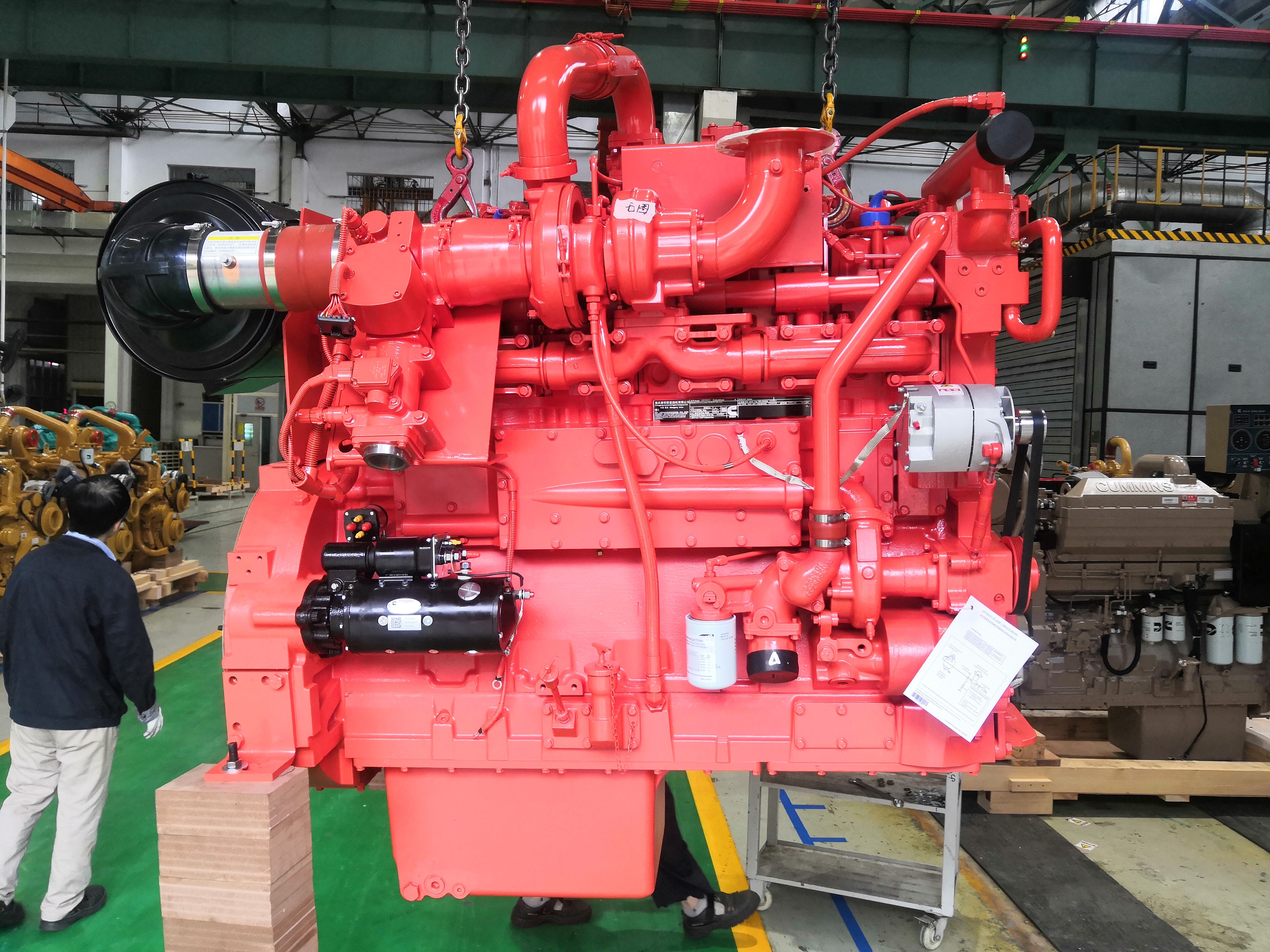
Proper maintenance of a gas generator set is crucial for ensuring reliable power generation and extending equipment lifespan. Industrial facilities, commercial buildings, and residential properties depend on these systems for backup power during outages or as primary power sources in remote locations. Understanding the fundamental maintenance requirements helps operators maximize efficiency while minimizing unexpected downtime and costly repairs.
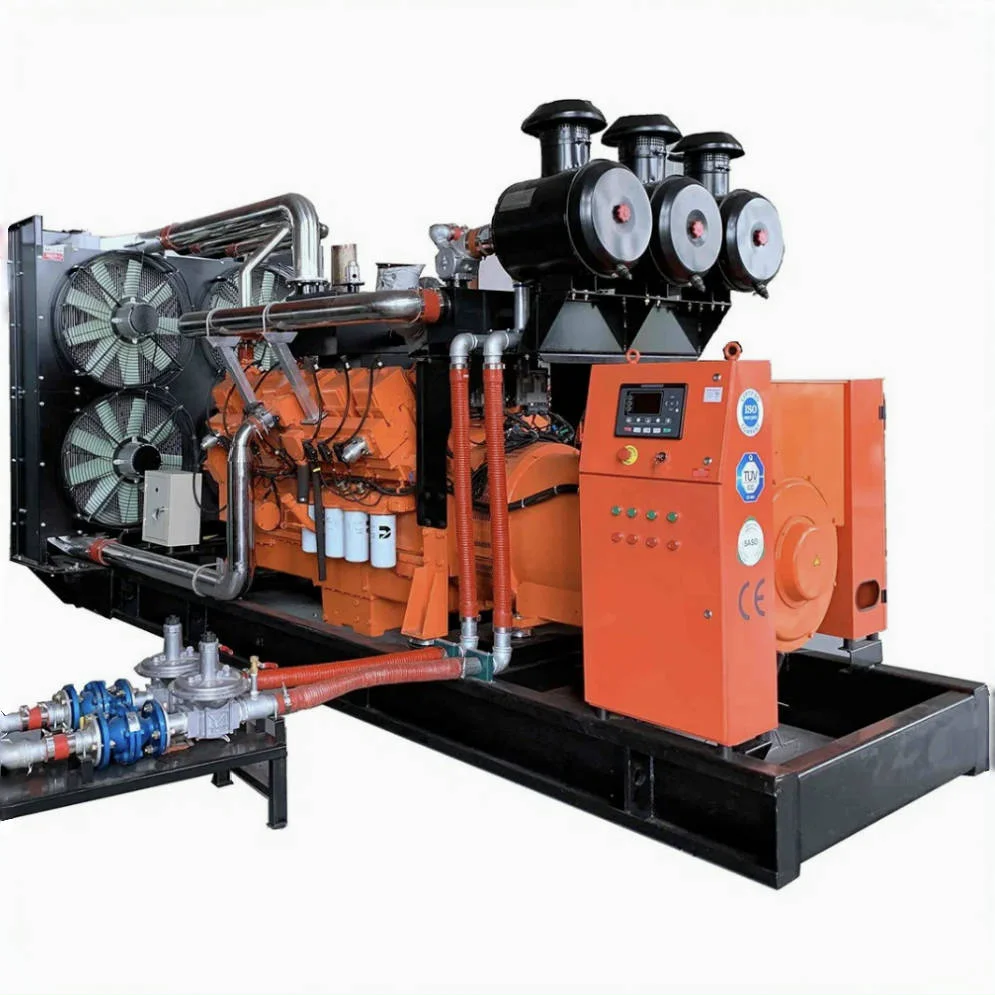
A well-maintained gas generator set delivers consistent performance, reduced fuel consumption, and lower emissions. Regular maintenance protocols ensure optimal combustion efficiency and prevent component failures that could result in system shutdowns. Modern gas generator sets incorporate advanced control systems that require specific maintenance approaches to maintain their sophisticated monitoring and protection capabilities.
Preventive Maintenance Fundamentals
Scheduled Inspection Protocols
Establishing comprehensive inspection schedules forms the foundation of effective gas generator set maintenance. Daily visual inspections should include checking fluid levels, examining connections, and monitoring control panel indicators. Weekly inspections expand to include belt tension verification, battery voltage testing, and coolant system evaluation. Monthly assessments involve detailed component inspections and performance parameter documentation.
Operators must maintain detailed maintenance logs that track all inspection results, repairs performed, and component replacements. These records provide valuable insights into equipment performance trends and help identify potential issues before they develop into major problems. Digital maintenance management systems streamline record-keeping and enable predictive maintenance strategies.
Critical Component Monitoring
Engine monitoring requires attention to oil pressure, coolant temperature, and exhaust gas temperature readings. These parameters provide early warning indicators of developing mechanical issues within the gas generator set. Abnormal readings typically indicate problems with lubrication systems, cooling circuits, or combustion processes that require immediate attention.
Electrical system monitoring encompasses voltage regulation, frequency stability, and load distribution across phases. Modern gas generator sets feature sophisticated control panels that display real-time electrical parameters and historical trend data. Regular calibration of these monitoring systems ensures accurate readings and reliable alarm functions when operating parameters exceed safe limits.
Engine Maintenance Requirements
Lubrication System Care
Engine oil maintenance represents one of the most critical aspects of gas generator set care. Gas engines typically require more frequent oil changes compared to diesel counterparts due to higher combustion temperatures and different fuel characteristics. Most manufacturers recommend oil changes every 250-500 operating hours, depending on fuel quality and operating conditions.
Oil analysis programs provide valuable insights into engine condition and help optimize change intervals. Laboratory testing reveals contamination levels, wear metal concentrations, and additive depletion rates. This data enables condition-based maintenance decisions that can extend oil life while ensuring adequate engine protection. Quality synthetic oils often provide superior performance in gas applications compared to conventional mineral oils.
Air Filtration Systems
Clean air intake systems are essential for optimal combustion efficiency and engine longevity. Air filter maintenance intervals vary significantly based on environmental conditions, with dusty or contaminated environments requiring more frequent service. Clogged air filters reduce engine power output and increase fuel consumption while potentially allowing harmful contaminants to enter the combustion chamber.
Multi-stage filtration systems common in industrial gas generator set installations require coordinated maintenance of primary and secondary filter elements. Differential pressure gauges indicate when filters require replacement, but visual inspections often reveal contamination before pressure drop becomes significant. High-efficiency particulate air filters protect sensitive engine components from microscopic contaminants that could cause premature wear.
Fuel System Maintenance
Natural Gas Supply Components
Natural gas fuel systems require specific maintenance procedures to ensure safe and reliable operation. Gas filters prevent contaminants from reaching engine fuel injection systems, requiring periodic replacement according to manufacturer specifications. Pressure regulators maintain consistent fuel pressure to the engine, requiring calibration and inspection for proper operation.
Leak detection protocols are mandatory for natural gas systems, involving regular inspection of all connections, valves, and piping components. Electronic gas detection systems provide continuous monitoring capabilities, but manual inspection with soap solutions remains an important verification method. Any detected leaks require immediate attention to prevent safety hazards and ensure optimal fuel delivery.
Propane and LPG Systems
Liquefied petroleum gas systems serving gas generator set installations require specialized maintenance approaches. Vaporizer units that convert liquid fuel to gas phase need regular inspection and cleaning to prevent ice formation and ensure adequate vaporization rates. Storage tank maintenance includes pressure relief valve testing and level gauge calibration.
Fuel quality monitoring becomes particularly important with propane and LPG systems, as contamination can significantly impact engine performance. Regular fuel sampling and testing help identify moisture content, heavy hydrocarbon contamination, and other impurities that could affect combustion efficiency or cause system components to malfunction.
Cooling System Maintenance
Radiator and Heat Exchanger Care
Cooling system maintenance ensures optimal operating temperatures and prevents overheating damage to engine components. Radiator cleaning involves both external fin cleaning to maintain airflow and internal cooling passage flushing to remove scale and debris buildup. External cleaning frequency depends on environmental conditions, with facilities near industrial processes or agricultural operations requiring more frequent attention.
Heat exchanger inspection includes checking for leaks, corrosion, and blockages that could impair heat transfer efficiency. Proper coolant mixture ratios must be maintained to provide adequate freeze protection and corrosion inhibition. Coolant testing programs monitor inhibitor levels and contamination to determine optimal replacement intervals for gas generator set cooling systems.
Thermostat and Water Pump Service
Thermostat functionality directly impacts engine warm-up times and operating temperature stability. Periodic testing ensures thermostats open and close at specified temperatures, preventing overcooling during light load operation and overheating under heavy loads. Faulty thermostats can cause excessive fuel consumption and increased emissions while potentially damaging engine components.
Water pump maintenance involves inspection for leaks, bearing wear, and impeller damage. Coolant pump failures can cause catastrophic engine damage within minutes, making regular inspection and preventive replacement critical. Belt-driven pumps require belt tension monitoring and replacement, while electric pumps need electrical connection inspection and current draw testing.
Electrical System Maintenance
Alternator and Generator Care
Generator alternator maintenance ensures reliable electrical output and voltage regulation. Regular inspection includes checking brush wear, slip ring condition, and bearing lubrication. Electrical connections require periodic tightening and cleaning to prevent resistance heating and voltage drops that could affect sensitive electronic equipment connected to the gas generator set.
Insulation resistance testing verifies the integrity of alternator windings and helps identify developing problems before they cause failures. Vibration analysis can detect bearing wear, rotor imbalance, and coupling problems that might not be apparent during visual inspection. Proper ventilation maintenance ensures adequate cooling for electrical components during extended operation periods.
Control System Components
Modern control systems require specialized maintenance procedures to ensure reliable automatic operation. Battery maintenance includes terminal cleaning, electrolyte level checks, and load testing to verify adequate starting capacity. Control panel calibration ensures accurate readings and proper alarm setpoints for all monitored parameters.
Software updates and configuration backups protect against control system failures and enable quick restoration after component replacement. Regular testing of automatic start sequences verifies proper operation of all interlocks and safety systems. Transfer switch maintenance ensures seamless transitions between utility and generator power sources.
Safety and Compliance Considerations
Environmental Regulations
Environmental compliance requirements significantly impact gas generator set maintenance procedures. Emissions testing verifies compliance with local air quality regulations and identifies potential engine problems that could increase pollutant output. Catalytic reduction systems require specialized maintenance to maintain effectiveness and prevent catalyst poisoning.
Waste management protocols ensure proper disposal of used oils, filters, and other maintenance materials. Many jurisdictions require documentation of waste disposal methods and quantities for environmental reporting purposes. Spill prevention and containment systems need regular inspection and testing to prevent environmental contamination during maintenance activities.
Occupational Safety Requirements
Worker safety during gas generator set maintenance requires adherence to established lockout and tagout procedures. Electrical systems pose electrocution hazards that require proper de-energization and verification procedures before beginning maintenance work. Hot surfaces and rotating machinery present additional safety concerns requiring appropriate personal protective equipment.
Confined space entry procedures may apply when working on larger gas generator set installations with enclosed equipment rooms. Proper ventilation and gas monitoring prevent accumulation of potentially hazardous fumes during maintenance activities. Emergency response procedures ensure rapid reaction to accidents or equipment malfunctions during maintenance operations.
FAQ
How often should gas generator sets undergo comprehensive maintenance inspections
Comprehensive maintenance inspections for gas generator sets should occur every 500-1000 operating hours or annually, whichever comes first. However, units operating in harsh environments or under heavy load conditions may require more frequent inspection intervals. Daily and weekly inspection routines supplement these comprehensive evaluations to ensure optimal performance and early problem detection.
What are the most common maintenance issues affecting gas generator set reliability
The most common maintenance issues include cooling system problems, fuel system contamination, and electrical connection deterioration. Inadequate air filtration leads to premature engine wear, while improper oil maintenance causes bearing failures and reduced engine life. Control system malfunctions often result from battery failures or corroded electrical connections that could be prevented through regular maintenance.
Can gas generator set maintenance be performed by facility maintenance staff
Basic maintenance tasks like visual inspections, fluid level checks, and filter replacements can typically be performed by trained facility maintenance staff. However, complex procedures involving electrical systems, engine internal components, or emissions control systems usually require specialized technicians with manufacturer training. Warranty requirements may also mandate professional service for certain maintenance activities.
What maintenance records should be kept for gas generator set operations
Essential maintenance records include operating hours logs, inspection checklists, fluid analysis results, and component replacement histories. Environmental compliance documentation, safety incident reports, and training records for maintenance personnel should also be maintained. Digital maintenance management systems help organize these records and provide valuable trend analysis capabilities for predictive maintenance programs.
Table of Contents
- Preventive Maintenance Fundamentals
- Engine Maintenance Requirements
- Fuel System Maintenance
- Cooling System Maintenance
- Electrical System Maintenance
- Safety and Compliance Considerations
-
FAQ
- How often should gas generator sets undergo comprehensive maintenance inspections
- What are the most common maintenance issues affecting gas generator set reliability
- Can gas generator set maintenance be performed by facility maintenance staff
- What maintenance records should be kept for gas generator set operations