
 EN
EN
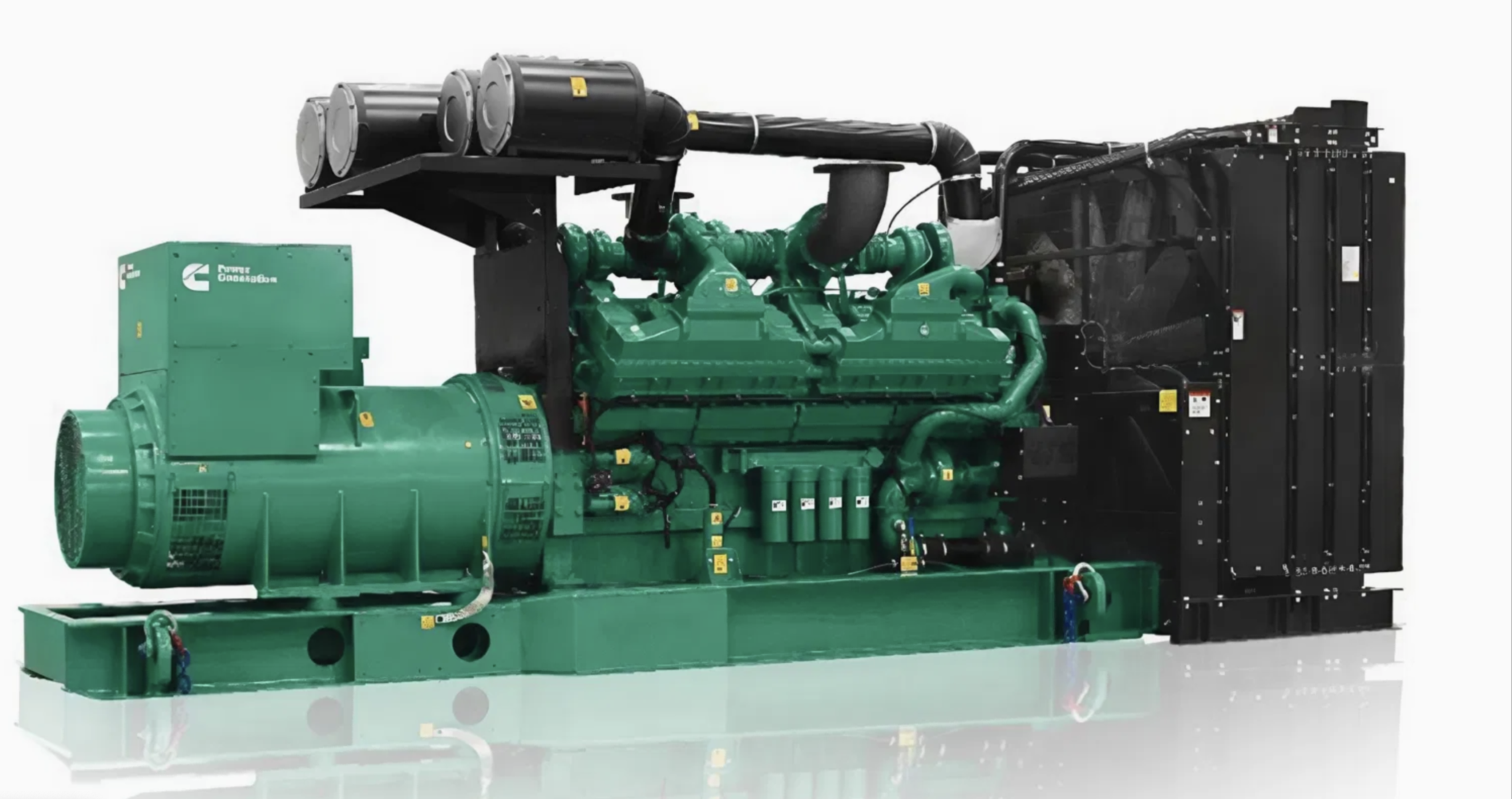
When evaluating power generation solutions for industrial and commercial applications, the choice between a gas generator set and diesel alternatives represents a critical decision that impacts operational costs, environmental compliance, and long-term sustainability. Modern gas generator set technology has evolved significantly, offering competitive advantages that make it an increasingly attractive option for businesses seeking reliable, cost-effective power generation. Understanding the fundamental differences between these two technologies requires careful analysis of performance characteristics, fuel costs, maintenance requirements, and environmental considerations that directly affect your bottom line.
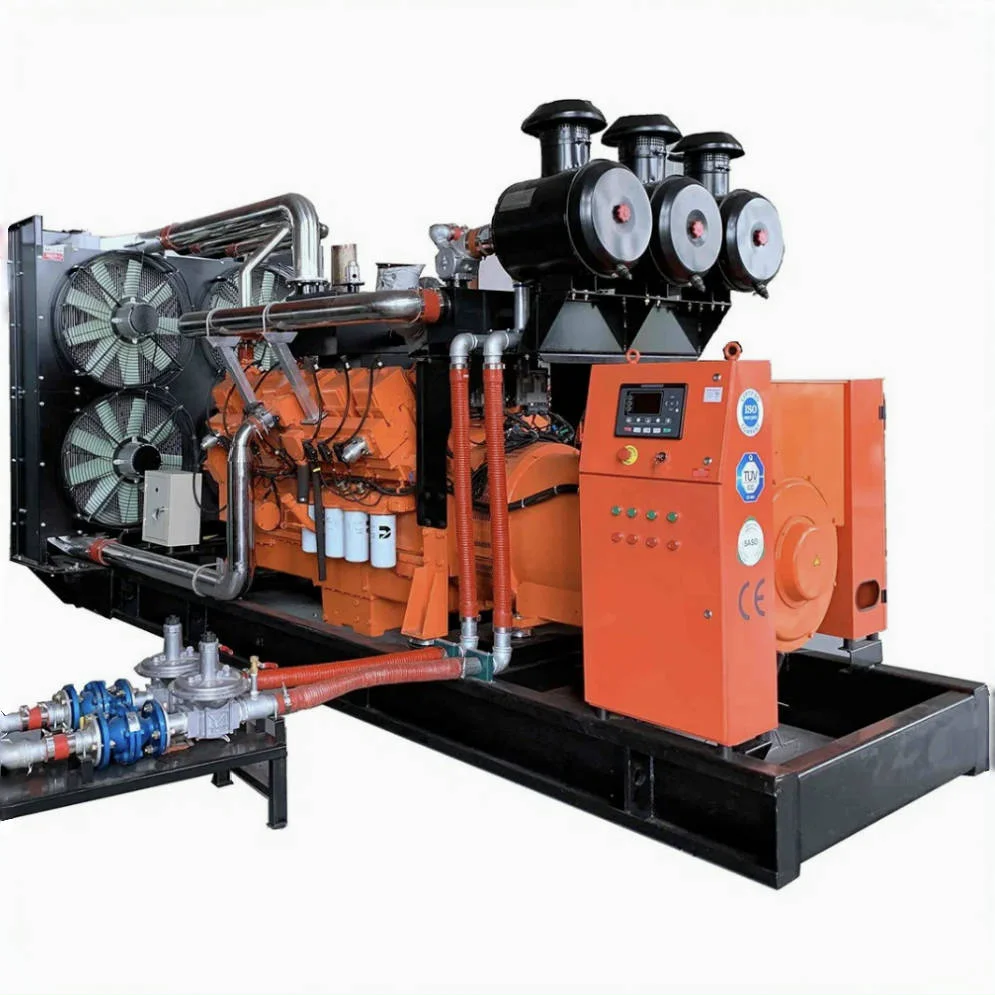
Fuel Cost Analysis and Economic Considerations
Natural Gas Pricing Advantages
The economic landscape strongly favors gas generator set installations due to consistently lower natural gas prices compared to diesel fuel. Natural gas typically costs 30-50% less per BTU than diesel, creating substantial operational savings over the generator's lifespan. This cost differential becomes particularly pronounced during extended runtime periods, where a gas generator set can deliver significant reductions in fuel expenses. Industrial facilities operating generators for peak shaving or continuous power applications often realize payback periods of 2-3 years when transitioning from diesel to natural gas systems.
Price volatility represents another crucial factor favoring gas generator set technology. Natural gas prices demonstrate greater stability compared to diesel fuel, which experiences frequent fluctuations due to crude oil market dynamics and refinery capacity constraints. This predictability enables more accurate budgeting and long-term financial planning for organizations relying on backup or primary power generation. Additionally, many regions offer favorable natural gas rates for industrial consumers, further enhancing the economic appeal of gas generator set installations.
Operational Cost Comparison
Beyond fuel costs, gas generator set systems offer reduced operational expenses through simplified fuel management and delivery logistics. Diesel generators require regular fuel deliveries, storage tank maintenance, and fuel quality monitoring to prevent contamination and degradation. Natural gas systems eliminate these concerns by utilizing existing utility infrastructure, reducing labor costs and eliminating the need for on-site fuel storage facilities.
Maintenance intervals for gas generator set equipment typically extend longer than diesel equivalents due to cleaner combustion characteristics. Natural gas burns more completely than diesel, resulting in reduced carbon deposits, cleaner engine oil, and extended component lifecycles. These factors contribute to lower maintenance costs and increased system availability, particularly important for critical backup power applications where reliability is paramount.
Environmental Impact and Regulatory Compliance
Emissions Performance
Environmental regulations increasingly favor gas generator set technology due to significantly lower emissions profiles compared to diesel alternatives. Natural gas combustion produces approximately 25% fewer carbon dioxide emissions, 80% fewer nitrogen oxide emissions, and virtually eliminates particulate matter and sulfur dioxide releases. These emission reductions help organizations meet increasingly stringent air quality standards and corporate sustainability objectives.
The clean-burning characteristics of natural gas make gas generator set installations particularly attractive in urban environments and sensitive ecological areas where emission restrictions are most stringent. Many municipalities now require or incentivize natural gas power generation for new installations, recognizing the air quality benefits that these systems provide to local communities.
Sustainability and Carbon Footprint
Corporate sustainability initiatives increasingly drive power generation decisions, with gas generator set technology offering clear advantages for organizations committed to reducing their carbon footprint. The ability to utilize renewable natural gas from biogas sources provides an additional sustainability pathway, allowing facilities to achieve carbon-neutral or even carbon-negative power generation when combined with methane capture systems.
Future regulatory trends strongly support gas generator set adoption as governments implement carbon pricing mechanisms and tighten emission standards. Organizations investing in gas generator set technology position themselves advantageously for evolving environmental regulations while potentially accessing tax incentives and green financing options that support clean energy investments.
Performance and Reliability Characteristics
Power Output and Efficiency
Modern gas generator set designs deliver comparable power output and efficiency to diesel systems while offering superior load response characteristics. Advanced engine management systems optimize combustion parameters in real-time, ensuring consistent power quality across varying load conditions. These systems typically achieve electrical efficiencies of 35-40%, competitive with diesel alternatives while providing cleaner operation and reduced maintenance requirements.
Gas generator set technology excels in applications requiring frequent starts and stops due to the instant availability of natural gas fuel. Unlike diesel systems that may experience fuel delivery delays or cold-start challenges, gas generator set installations provide immediate power availability with minimal warm-up periods. This responsiveness proves particularly valuable for critical backup power applications where rapid response times are essential.
System Reliability and Availability
Reliability advantages of gas generator set systems stem from simplified fuel delivery infrastructure and reduced fuel-related maintenance issues. Natural gas distribution networks provide highly reliable fuel supply with redundant delivery pathways in most industrial areas. This infrastructure reliability eliminates concerns about fuel delivery delays, storage tank failures, or fuel quality degradation that can affect diesel generator availability.
The cleaner combustion characteristics of gas generator set engines result in extended maintenance intervals and reduced unplanned downtime. Spark plug replacement intervals typically exceed diesel fuel injection system maintenance requirements, while the absence of fuel filters and water separators reduces potential failure points. These reliability improvements translate to increased system availability and reduced lifecycle costs for critical power applications.
Installation and Infrastructure Requirements
Site Preparation and Utilities
Gas generator set installations often require less complex site preparation compared to diesel systems due to elimination of fuel storage requirements. Natural gas connections can typically be established through existing utility infrastructure, reducing installation costs and permitting complexity. However, sites without existing natural gas service may require utility line extensions that could increase initial project costs depending on distance and local utility policies.
Ventilation requirements for gas generator set installations differ from diesel systems due to natural gas characteristics. Proper ventilation design must account for natural gas density and potential leak detection requirements, though modern gas generator set installations incorporate sophisticated safety systems that monitor gas concentrations and automatically isolate fuel supplies if anomalies are detected.
Permitting and Regulatory Considerations
Permitting processes for gas generator set installations typically encounter fewer regulatory hurdles compared to diesel systems due to reduced environmental impact. Air quality permits often process more quickly for natural gas systems, while fuel storage permits are eliminated entirely. However, natural gas installations require coordination with local utility providers and may involve additional safety inspections related to gas piping and connections.
Building codes increasingly recognize the safety and environmental advantages of gas generator set technology, with many jurisdictions streamlining approval processes for natural gas power generation projects. These regulatory trends support faster project implementation timelines and reduced permitting costs for organizations selecting gas generator set solutions.
Applications and Market Suitability
Industrial and Commercial Applications
Gas generator set technology proves particularly well-suited for industrial facilities with continuous or frequent power generation requirements. Manufacturing operations, data centers, and healthcare facilities benefit from the operational cost advantages and environmental compliance benefits that gas generator set systems provide. The ability to operate economically for extended periods makes natural gas systems ideal for peak shaving applications where generators operate regularly to reduce utility demand charges.
Commercial applications increasingly favor gas generator set installations for backup power due to reduced maintenance requirements and improved indoor air quality during testing and operation. Office buildings, retail centers, and institutional facilities appreciate the reduced noise and emission characteristics that natural gas systems provide compared to diesel alternatives.
Geographic and Market Considerations
Market suitability for gas generator set technology depends heavily on natural gas infrastructure availability and regional pricing structures. Areas with well-developed natural gas distribution networks and competitive gas pricing present the most attractive opportunities for gas generator set installations. Urban and suburban markets typically offer the best combination of infrastructure availability and regulatory support for natural gas power generation projects.
Regional incentive programs often favor gas generator set technology through rebates, tax credits, or accelerated permitting processes designed to promote clean energy adoption. Organizations evaluating power generation options should investigate local utility programs and government incentives that may significantly improve the economics of gas generator set investments.
FAQ
What are the main cost differences between gas and diesel generator sets
Gas generator set systems typically offer 30-50% lower fuel costs compared to diesel alternatives, with natural gas prices remaining more stable over time. While initial equipment costs may be comparable, the operational savings from reduced fuel expenses, simplified maintenance, and eliminated fuel storage requirements often result in payback periods of 2-3 years for frequent-use applications.
How do emission levels compare between gas and diesel generators
A gas generator set produces approximately 25% fewer carbon dioxide emissions, 80% fewer nitrogen oxides, and virtually eliminates particulate matter and sulfur dioxide compared to diesel generators. These significant emission reductions help organizations meet environmental compliance requirements and support corporate sustainability objectives while often qualifying for regulatory incentives.
What infrastructure requirements are needed for gas generator installations
Gas generator set installations require natural gas utility connections and appropriate safety systems for gas detection and isolation. Sites with existing natural gas service can often utilize current infrastructure, while new locations may require utility line extensions. The elimination of fuel storage tanks and delivery systems typically reduces overall infrastructure complexity compared to diesel installations.
Which applications benefit most from gas generator set technology
Gas generator set systems excel in applications requiring frequent operation, extended runtime periods, or strict environmental compliance. Industrial facilities, data centers, healthcare institutions, and commercial buildings with regular power generation needs benefit most from the operational cost savings and environmental advantages that natural gas systems provide over diesel alternatives.