
 EN
EN
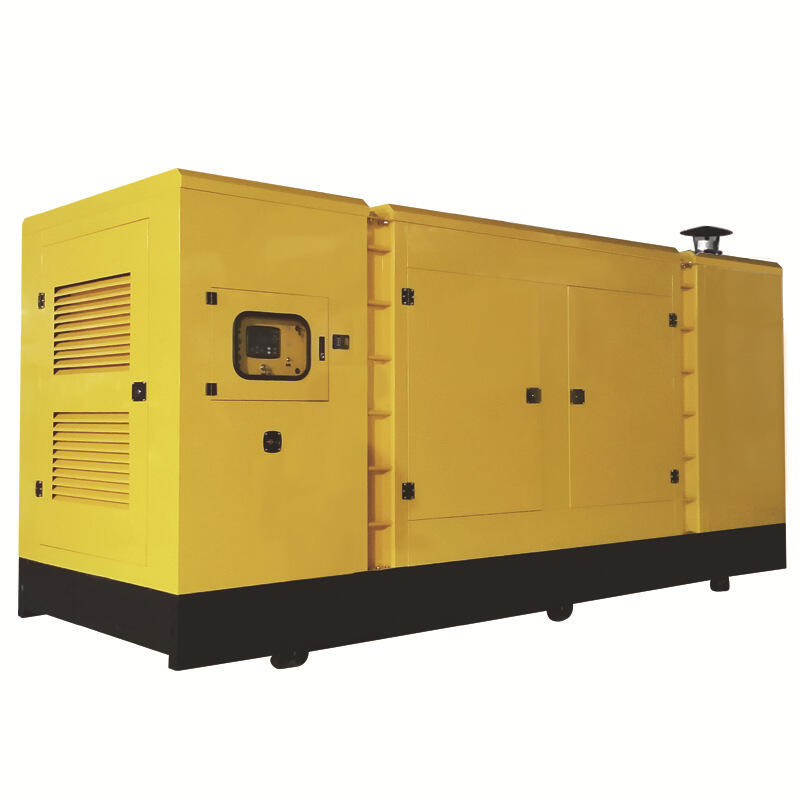
Nykyajan sähköön riippuvaisessa maailmassa yritykset ja asuinkohteet tarvitsevat luotettavia varavoimaratkaisuja, jotka eivät keskeytä toimintoja tai häiritse ympäröivää ympäristöä. Varavoimateknologian kehitys on johtanut merkittäviin edistymisiin melun vähentämisessä, ja nykyaikaiset hiljaiset generaattorijärjestelmät ovat tulleet suositummiksi vaihtoehdoiksi tiloille, jotka arvostavat sekä suorituskykyä että akustista mukavuutta. Nämä innovatiiviset virtaratkaisut yhdistävät tehokkaan sähkön tuotantokyvyn edistyneeseen äänenvaimennusteknologiaan tarjoamalla hätävirtaa ilman perinteisten generaattoreiden aiheuttamaa meluongelmaa.
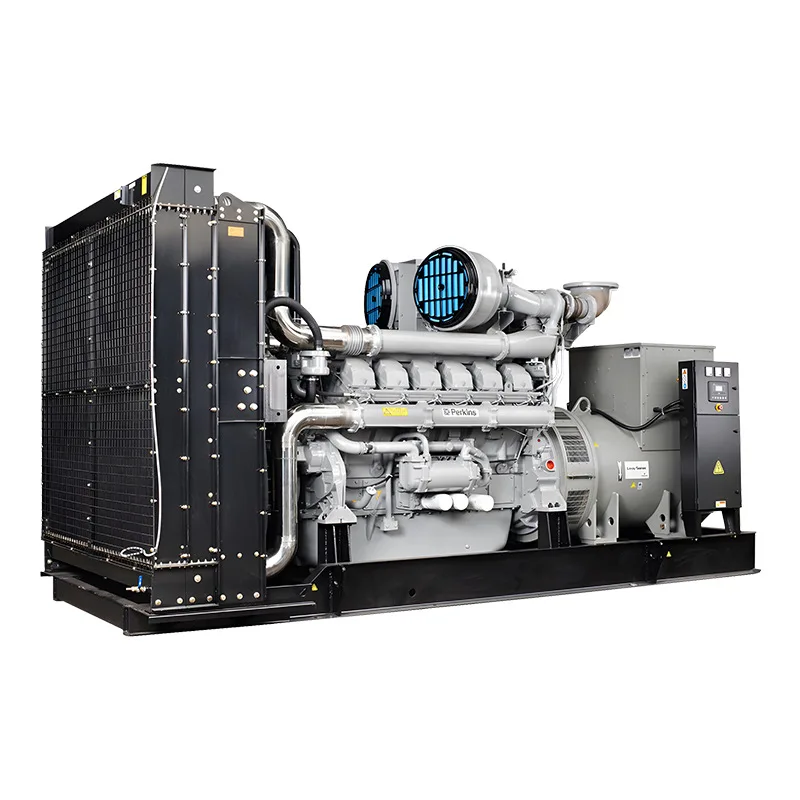
Kaupunkien kasvaessa ja melumääräysten kiristyessä hiljaisten varavoimatekniikoiden kysyntä on kasvanut eksponentiaalisesti. Terveydenhuollon laitokset, koulutuslaitokset, asuinkompleksit ja kaupalliset toimijat tarvitsevat nykyään sähkönsyöttöjärjestelmiä, jotka takaavat jatkuvan toiminnan ilman liiallista meluhaittaa. Laadukas hiljainen generaattorijärjestelmä ratkaisee nämä haasteet edistyneiden insinööritekniikoiden avulla, joilla vähennetään äänien päästöjä samalla kun säilytetään optimaalinen teho ja polttoaineen hyötysuhde.
Näiden hiljaisten virtaratkaisujen teknologian ymmärtäminen paljastaa kehittyneen insinööritoiminnan, joka mahdollistaa hiljaisen toiminnan. Nykyaikaisten hiljaisten generaattorijärjestelmien suunnittelu sisältää useita melunvaimennusteknologioita, kuten erikoisenclosureja, värähtelyn vaimentamisjärjestelmiä ja optimoituja moottoriratkaisuja, jotka yhdessä minimoivat äänipäästöjä samalla kun maksimoivat sähkösuorituskyvyn ja luotettavuuden.
Edistynyt äänenvaimentustechnologia
Akustisen koteloinnin suunnittelu
Tehokkaan hiljaisen generaattorisarjan perusta on sen akustinen kotelointijärjestelmä, joka toimii ensisijaisena esteenä generaattorin mekaanisten osien ja ulkoisen ympäristön välillä. Näissä koteloinneissa käytetään monikerroksisia äänenabsorboivia materiaaleja, jotka yhdistävät tiheään ulkokotiin erikoistunutta akustista vaahtomuovia tai lasikuitueristeitä, jotka absorboivat ja heijastavat ääniaaltoja useilla taajuusalueilla. Kotelointisuunnittelun on oltava tasapainossa äänenvaimennuksen ja riittävän ilmanvaihdon välillä varmistaakseen, että jäähdytysilman virtausvaatimukset täyttyvät kompromisoimatta akustista suorituskykyä.
Modernit kotelointijärjestelmät sisältävät tarkoin sijoitettuja äänenvaimentimia ja ilmanottovaimentimia, jotka mahdollistavat tarvittavan ilmavirtauksen samalla kun estävät suoran äänsiirron. Näissä koteloinneissa käytetyt materiaalit sisältävät usein akustisella alustalla varustettuja reikälevyjä, mikä luo kaksitoimisen pinnan, joka tarjoaa rakenteellista lujuutta samalla kun sitoo äänenenergian. Lisäksi koteloinnin suunnittelussa otetaan huomioon resonanssitaajuudet, ja käytetään materiaaleja sekä rakenteellisia ratkaisuja, jotka välttävät tietyissä taajuuksissa olevan äänen voimistumisen, mikä voisi lisätä kokonaisäänitasoa.
Värähtelyn eristysjärjestelmät
Värähtelyn hallinta on toinen keskeinen tekijä hiljaisten generaattorisarjojen suunnittelussa, koska mekaaniset värähtelyt voivat siirtyä kiinteiden rakenteiden kautta ja luoda sekundaarisia melulähteitä. Edistyneet kiinnitysjärjestelmät käyttävät erityisesti suunniteltuja kumi- tai jousieristeitä, jotka irrottaavat generaattorin perustastaan estämällä värähtelyjen siirtymisen, joka voisi vahvistaa melutasoa rakenteellisen resonanssin kautta. Näiden eristysjärjestelmien on pystyttävä ottamaan huomioon generaattorin käyttövoimat samalla kun ne säilyttävät oikean kohdistuksen ja vakauden.
Värähtelyjen eristämisen tehokkuus riippuu eristimen oikeasta valinnasta generaattorin painon, käyttötaajuuden ja asennusehtojen perusteella. Laadukkaissa hiljaisissa generaattoriasennuksissa käytetään useita eristyskohtia, joissa jousivakiot on huolellisesti laskettu minimoimaan sekä korkeataajuiset värähtelyt että matalataajuiset heilahtelut. Tämä kattava lähestymistapa varmistaa, että generaattori toimii sujuvasti samalla kun estetään värähtelyistä aiheutuva melu, joka voisi heikentää järjestelmän akustista suorituskykyä.
Moottorin optimointi hiljaiseen käyttöön
Sytytysjärjestelmän tarkennukset
Äänettömän generaattorisarjan sydämenä on optimoitu moottori, joka on suunniteltu erityisesti hiljaiseen toimintaan tekemättä kompromisseja tehontuoton tai polttoaineen kulutuksen suhteen. Näissä sovelluksissa käytettävissä modernissa dieselmootoreissa on edistyneitä palotilojen suunnitteluja, jotka edistävät täydellisempää polttoaineen palamista, mikä vähentää sekä päästöjä että palamismelua. Tarkat polttonestepuhallusjärjestelmät toimittavat polttoainetta optimaalisella hetkellä ja paineella, luoden tasaisempia palamissyklejä, jotka tuottavat vähemmän mekaanista melua ja värinää.
Moottorivalmistajat ovat kehittäneet erikoistuneita sylinterikannan rakenteita ja mäntäkonfiguraatioita, jotka minimoivat räjähdyspomppua ja vähentävät paineaaltojen etenemistä moottorilohkossa. Nämä parannukset, yhdistettynä optimoituun venttiiliajoitukseen ja parantuneeseen kampiakselin tasapainotukseen, johtavat moottoreihin, jotka toimivat hiljaisemmin ja tasaisemmin kuin perinteiset generaattorimoottorit. Elektronisten moottorinhallintajärjestelmien integrointi mahdollistaa tarkan hallinnan palamisparametreista, mikä edelleen parantaa sekä suorituskykyä että akustisia ominaisuuksia.
Pakoputkijärjestelmätekniikka
Pakopään melu on yksi merkittävimmistä akustisista haasteista generaattorisuunnittelussa, ja siihen tarvitaan kehittyneitä äänenvaimentimia, jotka vähentävät äänitasoa luomatta liiallista takaisku painetta. Hiljaisissa generaattoryksiköissä käytetään tyypillisesti monikammiollisia äänenvaimentimia, joissa on sisäisiä eristeitä ja melua vaimentavia materiaaleja, jotka heikentävät melua laajalla taajuusalueella. Näiden järjestelmien on tasapainotettava melun vähentäminen ja riittävä pakokaasuvirtaus moottorin suorituskyvyn ylläpitämiseksi ja ylikuumenemisen estämiseksi.
Edistyneemmissä pakoputken äänenvaimentimissa käytetään resonanssikammiota, jotka on säädetty tiettyihin taajuuksiin ja jotka poistavat ongelmalliset melukomponentit tuhoavan interferenssin avulla. Pakojärjestelmän reitityksellä on myös ratkaiseva merkitys, ja huolellisesti suunnitelluilla putkikonfiguraatioilla minimoidaan turbulenssi ja estetään lisämelojen syntymistä. Jotkin hienostuneemmat hiljainen generaattorisetti asennukset sisältävät kauko-ohjatut pakojärjestelmät, jotka siirtävät melulähteet entistä kauemmas herkillä alueilla olevista tiloista.
Sovellukset ja asennusasiat
Terveydenhuoltolaitosten vaatimukset
Terveydenhuollon laitokset edustavat yhtä vaativimmista sovelluksista hiljaiselle generaattoriasennukselle, koska näissä ympäristöissä tarvitaan katkematonta sähkönsyöttöä samalla kun noudatetaan tiukkoja meluntorjunta-standardeja. Sairaaloiden, lääkintäkeskusten ja klinikoiden on varmistettava, että varavoimasysteemit eivät häiriinny potilashoitoa, diagnostiikkalaitteiden toimintaa tai henkilökunnan viestintää. Näiden asennusten akustiset vaatimukset määrittelevät usein melutasot alle 60 desibeliä kiinteistörajoilla, mikä edellyttää saatavilla olevia kehittyneimpiä hiljaisia generaattoriasennuksia.
Lääkinnällisiin tiloihin asennettaessa on myös otettava huomioon ilmanottoaukojen ja poistoilmasäleikköjen sijoittaminen, jotta varmistetaan lääkinnällisen laadun ilmajärjestelmien saastumattomuus samalla kun säilytetään akustinen suorituskyky. Generaattorijärjestelmien on pystyttävä sulautumaan sairaalan rakennusautomaatiojärjestelmiin tarjoamalla reaaliaikaista seurantaa ja automaattista siirtokäyttöä tuottamatta käyttömelua, joka voisi häiritä hoitoalueiden kriittistä toimintaa. Hätävirtajärjestelmillä terveydenhuollon ympäristöissä on usein oltava varakonfiguraatiot, mikä tekee hiljaisesta toiminnasta useilla yksiköillä entistä tärkeämpää hyväksyttävien melutasojen ylläpitämiseksi.
Asuinkiinteistöjen ja kaupallisten tilojen integrointi
Hajautetun sähköntuotannon kasvava trendi on lisännyt hiljaisten generaattoriasennusten kysyntää asuinkiinteistöissä ja kaupallisissa tiloissa, joissa melurajoitukset ovat erityisen tiukat. Kaupunki- ja esikaupunkialueille tehtävien asennusten on noudatettava paikallisia melumääräyksiä, jotka usein rajoittavat generaattorin käyttöä tiettyihin desibelimääriin eri kellonaikoina. Näihin asennuksiin tarvitaan huolellista suunnittelua generaattorin sijoituksen optimoimiseksi, ottaen huomioon tekijät kuten hallitsevat tuulet, naapurirakennukset ja maisemointielementit, jotka voivat vaikuttaa äänen etenemiseen.
Kaupalliset sovellukset, kuten toimistorakennukset, kauppakeskukset ja tietokeskukset, vaativat varavoimateknologioita, jotka ylläpitävät liiketoiminnan jatkuvuutta häiritsemättä käyttäjiä tai naapuriliikkeitä. Hiljaisen generaattorijärjestelmän integrointi mahdollistaa näiden tilojen varavoimalaitteiden testauksen ja käytön normaalia työaikaa ilman meluhaittoja. Edistyneet valvontajärjestelmät voivat automaattisesti säätää generaattorin toimintaa ympäröivän melutilan perusteella, mikä takaa akustisten määräysten noudattamisen samalla kun sähkönsaanti pysyy luotettavana.
Suorituskyvyn ja tehokkuuden edut
Polttoaineen kulutuksen optimointi
Modernit hiljaiset generaattorisarjat saavuttavat huomattavia polttoaineen säästöjä edistyneen moottoriteknologian ja optimoidun toiminnan parametrien avulla. Samat suunnitteluperiaatteet, jotka vähentävät melutasoa, parantavat usein myös palamistehokkuutta, mikä johtaa alhaisempaan polttoaineenkulutukseen ja pienempiin käyttökustannuksiin. Sähköiset polttoaineensyöttöjärjestelmät säätävät tarkasti polttoaineen syöttöä kuormitustilan mukaan, varmistaen optimaaliset ilman ja polttoaineen suhteet, joiden ansiosta saavutetaan maksimaalinen teho vähentäen samalla hukkaa ja päästöjä.
Ääntäeristetyt kotelot, joita käytetään hiljaisissa generaattoriasennuksissa, voivat myös edistää tehokasta lämmönhallintaa, mikä auttaa ylläpitämään optimaalisia käyttölämpötiloja ja parantaa moottorin tehokkuutta ja kestoa. Asianmukainen lämmönhallinta vähentää tarvetta liialliselle jäähdytyspuhallinkäytölle, mikä edelleen vähentää melutasoa ja parantaa polttoaineentehoa. Edistyneet kuormanhallintajärjestelmät säätävät automaattisesti moottorin kierroslukua ja tehotuloa sähköisen kuormituksen mukaan, varmistaen että generaattori toimii huippukokoonpanossa erilaisissa kuormitustilanteissa.
Huoltotarpeet ja kestävyyset edut
Äänettömien generaattorisarjojen hiljaisen toiminnan mahdollistava kehittynyt tekniikka parantaa usein luotettavuutta ja pidentää käyttöikää. Värähtelyjen eristysjärjestelmät, jotka vähentävät äänensiirtymistä, minimoivat myös moottorikomponenttien kulumista, mikä vähentää huoltotarvetta ja pidentää korjausvälejä. Akustiset kuoret suojaavat generaattorin komponentteja sääilmiöiltä, vähentäen korroosiota ja ympäristövaurioita, jotka voivat heikentää järjestelmän luotettavuutta.
Moderniin hiljaisiin generaattoriasentoihin integroidut edistyneet valvontajärjestelmät tarjoavat reaaliaikaisia diagnostiikkatoimintoja, jotka mahdollistavat ennakoivan huoltotaktiikan. Näiden järjestelmien avulla voidaan havaita kehittyviä ongelmia ennen kuin ne johtavat vioihin, mikä mahdollistaa huoltojen ajoituksen sopiviin ajankohtiin eikä hätätilanteiden yhteydessä. Kestävän rakenteen, ympäristönsuojelun ja kattavan valvonnan yhdistäminen tulostaa varavoimatekniikkaa, joka tarjoaa luotettavaa toimintaa vähäisellä huoltotoimenpiteillä laajojen käyttöjaksojen ajan.
Teknologia-integraatio ja älykkäät ominaisuudet
Digitaalinen ohjausjärjestelmä
Nykyajan hiljaisiin generaattoriasentoihin kuuluu kehittyneitä digitaalisia ohjausjärjestelmiä, jotka tarjoavat kattavan valvonnan, automaattisen toiminnan ja etähallintamahdollisuudet. Nämä ohjausjärjestelmät seuraavat jatkuvasti moottorin parametreja, sähkölähtöä ja ympäristöolosuhteita suoriutumisen optimoimiseksi samalla kun varmistetaan akustinen säädöstenmukaisuus. Edistyneet algoritmit säätävät toiminta-arvoja reaaliaikaisesti optimaalisten melutasojen ylläpitämiseksi samalla kun varmistetaan riittävä tehon toimitus vaihtelevissa kuormitustilanteissa.
Viestintätekniikoiden integrointi mahdollistaa hiljaisille generaattorisarjajärjestelmille yhteydet rakennuksen hallintajärjestelmiin, sähköverkon älykkäisiin verkkoihin ja etävalvontapalveluihin. Nämä yhteydet mahdollistavat automaattisen kuormien hallinnan, kysyntävasteosallistumisen sekä ennakoivan huoltosuunnittelun, mikä maksimoi järjestelmän arvon samalla kun minimoituu häiriöt toiminnassa. Matkapuhelinsovellukset ja verkkopohjaiset käyttöliittymät tarjoavat tilojen vastuuhenkilöille reaaliaikaista tilatietoa ja ohjauksen mahdollisuuden, varmistaen että varavoimajärjestelmät pysyvät käyttövalmiina noudattaen kaikkia akustisia vaatimuksia.
Ympäristöseurannan integrointi
Edistyneemmissä hiljaisissa generaattorisarjoissa käytetään ylittävissä määrin ympäristönvalvontajärjestelmiä, jotka mittaavat jatkuvasti melutasoja, ilmanlaatua ja muita ympäristöparametreja. Nämä järjestelmät dokumentoivat akustisen yhteensopivuuden ja voivat automaattisesti säätää generaattorin toimintaa ympäristövaatimusten säilyttämiseksi. Säätiedotusjärjestelmien kanssa integrointi mahdollistaa generaattorien ohjauksen ennakoida ympäristöolosuhteita, jotka saattavat vaikuttaa melun leviämiseen, ja säätää toimintaa vastaavasti yhteensopivuuden ylläpitämiseksi.
Ympäristönvalvontakapasiteetit ulottuvat melumittauksen ulkopuolelle käsittämään päästöjen valvonnan, polttonesteen vuotosilmoinnin ja ilmanlaadun arvioinnin. Nämä kattavat valvontajärjestelmät varmistavat, että hiljaisten generaattorisarjojen toiminnot täyttävät kaikki ympäristövaatimukset ja tarjoavat tilojen johtajille tarvittavat tiedot paikallisten säädösten ja yritysten kestävyyskommittimenttien noudattamisen osoittamiseksi.
UKK
Mitä melutasoja voidaan odottaa modernilta hiljaisilta generaattorisarjoilta
Modernit hiljaiset generaattorisarjat saavuttavat tyypillisesti melutasot 55–65 desibeliä seitsemän metrin etäisyydellä, mikä vastaa normaalien keskusteluiden tasoa. Edistyneempää akustista käsittelyä käyttävät järjestelmät voivat saavuttaa vielä alhaisemmat melutasot, usein alle 60 desibeliä kiinteistöjen rajoilla. Todellinen melutaso riippuu generaattorin koosta, koteloinnin suunnittelusta ja asennusehdoista, ja suuremmat yksiköt vaativat yleensä kehittyneempiä meluntorjuntatoimenpiteitä saavuttaakseen vastaavan akustisen suorituskyvyn.
Miten akustinen käsittely vaikuttaa generaattorin suorituskykyyn ja tehokkuuteen
Oikein suunnitelluilla äänieristyksillä on hiljaisissa generaattoriasennuksissa yleensä vähäinen vaikutus generaattorin suorituskykyyn, kun ne on suunniteltu oikein. Kotelointijärjestelmät on suunniteltu säilyttämään riittävä ilmavirtaus jäähdytykseen samalla kun ne vähentävät melua, ja nykyaikaisiin järjestelmiin sisältyy usein pakotettu ilmanvaihto varmistaakseen optimaaliset käyttölämpötilat. Joissakin tapauksissa akustiset kotelointiratkaisut voivat itse asiassa parantaa suorituskykyä suojaamalla komponentteja sääilmiöiltä ja ylläpitämällä vakstumpia käyttöolosuhteita.
Mitkä huoltovaatimukset ovat ominaisia hiljaisille generaattorisarjoille
Hiljaisen generaattorisarjan huollossa sisältyvät kaikki tavalliset generaattorin huoltotoimenpiteet sekä erityistarkkaus akustisiin komponentteihin, kuten kotelon tiivisteisiin, ilmanvaihtojärjestelmiin ja värähtelynestoihin. Akustisia materiaaleja saattaa joutua tarkastamaan ja vaihtamaan ajoittain äänenvaimennuksen tehokkuuden ylläpitämiseksi, ja kotelon ilmanvaihtojärjestelmiä on puhdistettava säännöllisesti varmistaakseen riittävän ilmavirran. Kotelon suojaavat ominaisuudet voivat kuitenkin vähentää kokonaishuoltotarvetta suojaamalla komponentteja ympäristön vaikutuksilta.
Voivatko hiljaiset generaattorisarjat toimia rinnakkaisissa konfiguraatioissa
Kyllä, useita hiljaisia generaattorisarjoja voidaan käyttää rinnakkain tarjoten suurempaa tehotilaa tai varmuutta samalla kun akustinen suorituskyky säilyy. Rinnakkaisten asennusten yhteydessä vaaditaan huolellista akustista suunnittelua estämään melun voimistuminen, kun useita yksiköitä käytetään samanaikaisesti. Edistyneet ohjausjärjestelmät voivat koordinoida useiden generaattoreiden toimintaa minimoimalla melutasot samalla kun tarvittava teho saavutetaan, mukaan lukien kuormanjaon strategiat, jotka optimoivat sekä akustista että sähköistä suorituskykyä koko generaattoriparvessa.
Sisällysluettelo
- Edistynyt äänenvaimentustechnologia
- Moottorin optimointi hiljaiseen käyttöön
- Sovellukset ja asennusasiat
- Suorituskyvyn ja tehokkuuden edut
- Teknologia-integraatio ja älykkäät ominaisuudet
-
UKK
- Mitä melutasoja voidaan odottaa modernilta hiljaisilta generaattorisarjoilta
- Miten akustinen käsittely vaikuttaa generaattorin suorituskykyyn ja tehokkuuteen
- Mitkä huoltovaatimukset ovat ominaisia hiljaisille generaattorisarjoille
- Voivatko hiljaiset generaattorisarjat toimia rinnakkaisissa konfiguraatioissa