
 EN
EN
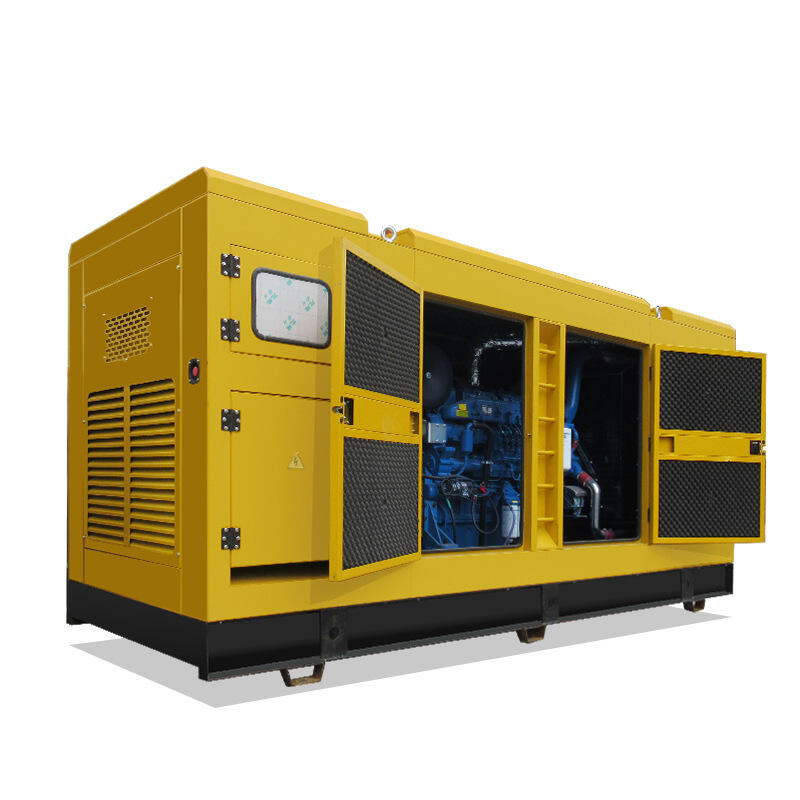
نگهداری مناسب تجهیزات تولید انرژی صنعتی برای اطمینان از عملکرد قابل اعتماد و افزایش عمر تجهیزات حیاتی است. مجموعه ژنراتور بیصدا سرمایهگذاری مهمی برای کسبوکارهایی است که به راهحلهای برق پشتیبان نیاز دارند و بنابراین انجام رویههای منظم نگهداری برای عملکرد بهینه ضروری است. درک ظرافتهای نگهداری این ماشینهای پیچیده میتواند از خرابیهای پرهزینه جلوگیری کرده و تأمین برق پیوسته را در زمانهای حساس تضمین کند. رویههای حرفهای نگهداری نه تنها بازده عملیاتی را افزایش میدهند، بلکه به کاهش سطح نویز و بهبود مصرف سوخت در کاربردهای مختلف نیز کمک میکنند.
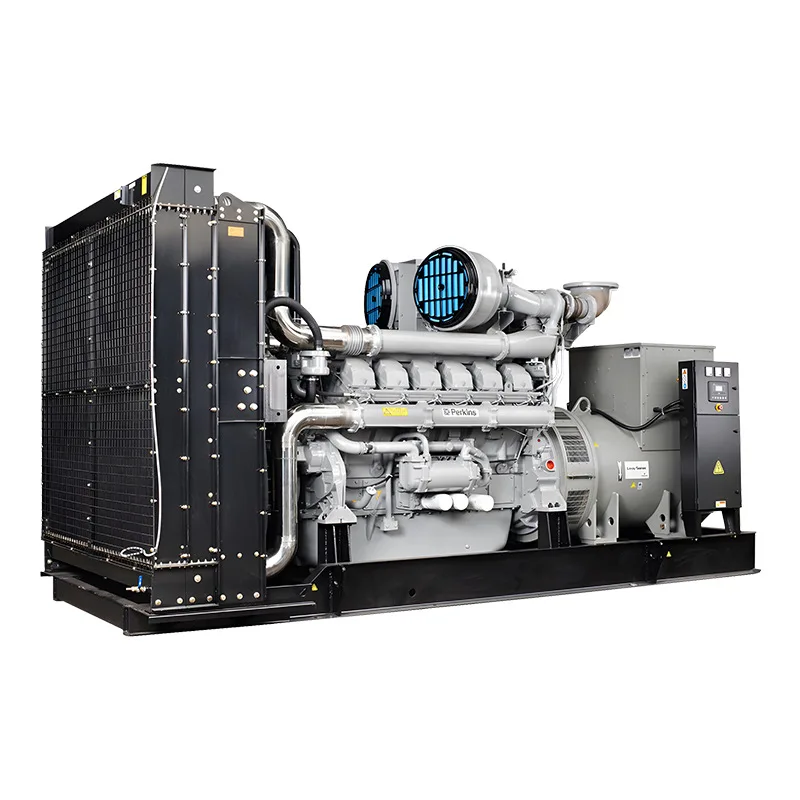
اجزای ضروری نگهداری مجموعه ژنراتور بیصدا
مراقبت از بلوک موتور و سیستم خنککننده
بلوک موتور قلب هر دستگاه ژنراتور بیصدا را تشکیل میدهد و نیازمند توجه دقیق برای حفظ سطح عملکرد اوج است. بازرسی منظم سطح مایع خنککننده، پرههای رادیاتور و قطعات سیستم خنککننده از مشکلات اضافهگرمایش جلوگیری میکند که میتواند واحد را به شدت آسیب دهد. تکنسینها باید کیفیت مایع خنککننده را زیر نظر داشته باشند و از نظر آلودگی، سطح مناسب pH و غلظت ضدیخ برای اطمینان از مدیریت حرارتی بهینه بررسی کنند. برنامههای نگهداری حرفهای معمولاً شستوشوی سیستم خنککننده را هر ۱۰۰۰ ساعت کارکرد یا سالانه (هرکدام که زودتر رخ دهد) توصیه میکنند.
سیستمهای نظارت دما در واحدهای مدرن، دادههای لحظهای درباره شرایط عملیاتی موتور فراهم میکنند که به اپراتورها اجازه میدهد مشکلات احتمالی را قبل از تشدید شناسایی کنند. عملکرد ترموستات، پمپ آب و کشش تسمه نیازمند بررسی منظم هستند تا بازدهی مناسب سیستم خنککنندگی حفظ شود. علاوه بر این، تمیز کردن آلایندهها از سطوح رادیاتور و اطمینان از تهویه مناسب در اطراف محفظه، به حفظ دمای بهینه در طول دورههای عملیاتی طولانیمدت کمک میکند.
رویههای نگهداری سیستم سوخت
کیفیت سوخت تأثیر مستقیمی بر عملکرد و عمر واحدهای دیزلی دارد و به همین دلیل نگهداری سیستم سوخت، بخشی حیاتی از مراقبت کلی محسوب میشود. آلودگی ناشی از آب، رشد میکروبی و تجمع رسوب میتواند آسیب جدی به سیستمهای تزریق و محفظههای احتراق وارد کند. نمونهبرداری و آزمایش منظم سوخت به شناسایی مشکلات آلودگی قبل از اینکه بر عملکرد موتور تأثیر بگذارد یا تعمیرات پرهزینه قطعات حساس را رقم بزند، کمک میکند.
زمانبندی تعویض فیلتر سوخت بسته به شرایط کارکرد و کیفیت سوخت متفاوت است، اما معمولاً برای عملکرد بهینه هر ۲۵۰ تا ۵۰۰ ساعت کارکرد انجام میشود. فیلترهای اولیه و ثانویه سوخت نیازمند بازههای تعویض متفاوتی هستند؛ فیلتر اولیه آلایندههای بزرگتر را جدا میکند و فیلتر ثانویه پیش از رسیدن سوخت به سیستم تزریق، فیلتراسیون نهایی را انجام میدهد. رعایت شیوههای صحیح نگهداری سوخت، از جمله استفاده از مواد ضد قارچ و تمیزکاری منظم مخزن، از آلودگی سوخت که میتواند قابلیت اطمینان سیستم را تحت تأثیر قرار دهد، جلوگیری میکند.
تعمیر و نگهداری محفظه صوتی و کاهش صدا
بازرسی مصالح عایق صوتی
محفظه صوتی یک گروه تولید برق بیصدا را از واحدهای استاندارد متمایز میکند و نگهداری تخصصی برای حفظ خواص کاهش صوت نیاز دارد. مواد عایق صوتی ممکن است به مرور زمان بر اثر قرار گرفتن در معرض حرارت، نفوذ رطوبت و ارتعاشات مکانیکی، تخریب شوند و به این ترتیب عملکرد کاهش سر و صدا را تحت تأثیر قرار دهند. بازرسی منظم از پنلهای صوتی، آببندیها و واشرها اطمینان از تطابق مستمر با مقررات سر و صدا و حفظ ویژگیهای عملکرد بیصدا واحد را فراهم میکند.
تعویض بهموقع مواد عایق صوتی خراب یا فرسوده باید انجام شود تا افزایش سطح نویز که ممکن است منجر به نقض مقررات محلی یا اختلال در عملیات مجاور شود، پیش از وقوع جلوگیری شود. تیمهای حرفهای نگهداری با مواد خاصی که در طراحیهای مختلف پوششها استفاده میشوند آشنا هستند و میتوانند محصولات جایگزین مناسبی را پیشنهاد دهند که مشخصات کاهش نویز اصلی را حفظ کنند. تکنیکهای نصب صحیح، عملکرد آکوستیکی بهینه را تضمین میکنند و در عین حال تهویه مناسب برای عملکرد سیستم خنککننده را فراهم میآورند.
بهینهسازی سیستم تهویه
تهویه مؤثر در داخل پوشش صوتی، کنترل سر و صدا را با جریان مناسب خنککنندگی متعادل میکند و نیازمند نگهداری دقیق از سیستمهای ورودی و خروجی هوا است. تیغههای تهویه، توریها و بافلها در طول زمان دچار تجمع آلایندهها میشوند که ممکن است جریان هوا را محدود کرده و باعث مشکلات اضافه گرمایی شوند. تمیزکاری و بازرسی منظم این قطعات، جریان هوای بهینه را حفظ کرده و در عین حال عملکرد کاهش سر و صدا را در تمام شرایط کاری حفظ میکند.
پروتکلهای نگهداری حرفهای شامل بررسی عملکرد فن، کشش تسمه و عملکرد موتور برای اطمینان از جریان مناسب خنککنندگی است. بافلهای صوتی موجود در سیستم تهویه نیازمند تمیزکاری دورهای برای حذف گرد و غبار و آلایندههای تجمعیافته هستند که میتوانند عملکرد آنها را کاهش دهند. نگهداری صحیح این سیستمها اطمینان از مجموعه ژنراتور بی صدا همچنان عملکرد بیصدا و خنککنندگی قابل اعتماد را تحت شرایط مختلف بار حفظ میکند.
نگهداری و تست سیستم الکتریکی
مراقبت از پنل کنترل و تجهیزات اندازهگیری
سیستمهای کنترل مدرن امکانات پیشرفته نظارت و حفاظتی را فراهم میکنند که نیازمند کالیبراسیون و آزمایش منظم برای اطمینان از عملکرد دقیق هستند. نمایشگرهای دیجیتال، سیستمهای هشدار و قابلیتهای خاموشکردن خودکار به عملکرد صحیح سنسورها و برنامهریزی ماژول کنترل وابستهاند. آزمایش منظم این سیستمها توانایی آنها در محافظت از موتور و آلترناتور در برابر شرایط عملیاتی بالقوه مخرب و ارائه دادههای عملیاتی دقیق به اپراتورها را تأیید میکند.
اتصالات الکتریکی درون تابلوهای کنترل نیازمند بازرسی و تمیزکاری دورهای برای جلوگیری از خوردگی و اطمینان از انتقال قابل اعتماد سیگنال هستند. عوامل محیطی مانند رطوبت، نوسانات دما و تجمع گرد و غبار میتوانند در طول زمان بر اجزای الکترونیکی تأثیر بگذارند. نگهداری حرفهای شامل تأیید پارامترهای برنامهریزی، وضعیت باتری پشتیبان و عملکرد سیستم ارتباطی برای کاربردهای نظارت از راه دور میشود.
تأیید آلترناتور و خروجی الکتریکی
آلتِرناتور انرژی الکتریکی تولید میکند و نیازمند آزمایشهای منظم برای تأیید تنظیم ولتاژ، پایداری فرکانس و سطح اعوجاج هارمونیک است. تجهیزات آزمایش حرفهای این پارامترها را در شرایط بار مختلف اندازهگیری میکنند تا اطمینان حاصل شود دستگاه مطابق با استانداردهای کیفیت برق است. روانکاری بلبرینگها، عملکرد سیستم خنککننده و وضعیت جاروبکها بر عملکرد آلتِرناتور تأثیر دارند و باید بهطور منظم مطابق مشخصات سازنده مورد توجه قرار گیرند.
آزمون خروجی الکتریکی باید شامل تأیید تنظیم خودکار ولتاژ، پاسخ فرکانسی و ویژگیهای پذیرش بار باشد. این آزمونها تضمین میکنند که گروه ژنراتور بیصدا بتواند تغییرات ناگهانی بار را بدون نوسانات ولتاژ یا فرکانس تحمل کند که ممکن است به تجهیزات الکترونیکی حساس آسیب برساند. نگهداری منظم اتصالات الکتریکی، بلوکهای ترمینال و تجهیزات حفاظتی از خرابیهایی جلوگیری میکند که ممکن است تأمین برق را قطع کرده یا به تجهیزات متصل آسیب بزنند.
برنامهریزی و مستندسازی نگهداری پیشگیرانه
بهینهسازی فاصله زمانی نگهداری
برنامهریزی موثر نگهداری، فاصله زمانی ساعتهای کارکرد را با نگهداری مبتنی بر تقویم متعادل میکند تا دستگاههایی که به صورت متناوب کار میکنند را پوشش دهد. قطعات مختلف بسته به شرایط کارکرد، عوامل محیطی و توصیههای سازنده، نیازمندیهای نگهداری متفاوتی دارند. تهیه برنامههای نگهداری سفارشیسازیشده که الزامات کاربرد خاص را در نظر میگیرند، اطمینان از قابلیت اطمینان بهینه را فراهم میکند و همزمان با کاهش هزینههای نگهداری غیرضروری و توقفهای اجتنابناپذیر، عملکرد را بهبود میبخشد.
عوامل شرایط کارکرد مانند دمای محیط، رطوبت، سطح گردوغبار و مشخصات بار، بر نیازهای فاصله زمانی نگهداری تأثیر میگذارند. دستگاههایی که در محیطهای سخت کار میکنند ممکن است نسبت به دستگاههایی که در شرایط کنترلشده قرار دارند، نگهداری متداولتری نیاز داشته باشند. برنامههای حرفهای نگهداری، فواصل زمانی را بر اساس تجربه واقعی کارکرد و پایش وضعیت قطعات تنظیم میکنند تا قابلیت اطمینان و اثربخشی هزینهای بهینه شود.
ثبتنامهها و پیگیری عملکرد
سوابق جامع نگهداری و تعمیرات دادههای ارزشمندی برای عیبیابی، ادعاهای ضمانت و تحلیل روند عملکرد فراهم میکنند. سیستمهای دیجیتال مدیریت نگهداری و تعمیرات قادر به ردیابی تاریخچه تعویض قطعات، پارامترهای کارکرد و هزینههای تعمیرات هستند تا فرصتهای بهینهسازی شناسایی شوند. مستندسازی مناسب همچنین الزامات انطباق با مقررات را پشتیبانی میکند و به توجیه هزینههای نگهداری و تعمیرات از طریق بهبود قابل اثبات در قابلیت اطمینان کمک میکند.
جمعآوری دادههای عملکرد در حین فعالیتهای نگهداری و تعمیرات به شناسایی مشکلات در حال توسعه قبل از بروز خرابی کمک میکند. تحلیل روند پارامترهایی مانند دمای مایع خنککننده، فشار روغن، مصرف سوخت و کیفیت خروجی الکتریکی میتواند تخریب تدریجی که نیاز به توجه دارد را آشکار کند. این رویکرد پیشگیرانه در نگهداری و تعمیرات هزینههای تعمیرات اضطراری را کاهش میدهد و قابلیت اطمینان کلی سیستم را در کاربردهای برق حیاتی بهبود میبخشد.
حل مشکلات رایج
افزایش سطح صدا و مشکلات آکوستیکی
هنگامی که یک مجموعه ژنراتور بیصدا شروع به تولید سر و صدای بیش از حد میکند، تشخیص سیستماتیک به شناسایی علت اصلی و اقدام اصلاحی مناسب کمک میکند. مشکلات مکانیکی مانند قطعات شل، بلبرینگهای فرسوده یا مشکلات سیستم خروجی میتوانند سطح سر و صدا را فراتر از حد مجاز افزایش دهند. آسیب به پوسته صوتی، عایقبندی از دست رفته یا تغییرات در سیستم تهویه نیز میتوانند عملکرد کاهش دهنده صدا را تحت تأثیر قرار دهند و نیازمند توجه فوری هستند.
روشهای تشخیص حرفهای شامل اندازهگیری سطح صوت در چندین نقطه اطراف دستگاه برای شناسایی منابع سر و صدا و مقایسه نتایج با مشخصات اولیه است. بازرسی بصری اجزای صوتی، سیستمهای مکانیکی و عناصر ساختاری به تشخیص دقیق مشکلات خاصی که نیاز به تعمیر یا تعویض دارند، کمک میکند. رفع به موقع مشکلات سر و صدا از تخلفات احتمالی قانونی جلوگیری میکند و روابط خوب با جامعه محلی را برای نصبهای موجود در مناطق پرجمعیت حفظ میکند.
کاهش عملکرد و افت بازده
کاهش تدریجی عملکرد اغلب ناشی از معوق ماندن تعمیرات یا تغییرات شرایط بهرهبرداری است که بر بازده سیستم تأثیر میگذارد. کاهش توان خروجی، افزایش مصرف سوخت یا طولانیتر شدن زمان راهاندازی، نشانههایی از بروز مشکلاتی هستند که تشخیص منظم و سیستماتیک میطلبد. تیمهای حرفهای نگهداری از تجهیزات تشخیصی برای اندازهگیری پارامترهای کلیدی عملکرد و شناسایی سیستمهای خاصی که نیاز به توجه دارند، استفاده میکنند.
مشکلات عملکرد موتور ممکن است ناشی از آلودگی سیستم سوخت، مشکلات فیلتراسیون هوا یا کاهش کارایی سیستم احتراق باشد که نیازمند ارزیابی جامع است. مشکلات سیستم الکتریکی میتواند باعث نوسان ولتاژ، ناپایداری فرکانس یا اعوجاج هارمونیک شود که کیفیت توان را تحت تأثیر قرار میدهد. تشخیص و تعمیر سیستماتیک مشکلات شناساییشده، عملکرد بهینه را بازگردانده و از آسیب ثانویه به قطعات مرتبط جلوگیری میکند.
سوالات متداول
مجموعه ژنراتور بیصدا چند وقت یکبار باید تحت نگهداری حرفهای قرار گیرد
فاصلههای زمانی نگهداری حرفهای به ساعات کارکرد، شرایط محیطی و توصیههای سازنده بستگی دارند، اما معمولاً در واحدهایی با زمان کارکرد کم، هر ۲۵۰ تا ۵۰۰ ساعت کار یا سالانه انجام میشود. برنامههای نگهداری منظم باید بر اساس شرایط واقعی کارکرد تنظیم شوند و واحدهایی که در محیطهای سخت کار میکنند، نیاز به خدمات متداولتری دارند. بازرسیهای جامع سالانه صرفنظر از ساعات کارکرد توصیه میشود تا از فساد زمانبندی شده آببندها، تسمهها و روغنها جلوگیری شود.
مهمترین موارد نگهداری برای حفظ عملکرد بیصدا چیست
سالم بودن محفظه صوتی، وضعیت مواد عایق صوتی و تمیزی سیستم تهویه از مهمترین عوامل برای حفظ عملکرد بیصدا هستند. بازرسی منظم و تعویض به موقع مواد کاهشدهنده صدا که دچار فرسودگی شدهاند، افزایش سطح نویز را که ممکن است منجر به نقض مقررات محلی شود، جلوگیری میکند. علاوه بر این، نگهداری مناسب موتور از جمله تنظیم زمانبندی، تزریق سوخت و مراقبت از سیستم خروجی دود، به کاهش نویز احتراق که در سطح کلی صدا تأثیر دارد، کمک میکند.
آیا بازههای نگهداری برای واحدهایی با ساعات کارکرد پایین قابل اتمام هستند؟
اگرچه برای واحدهای با ساعات کارکرد پایین ممکن است فواصل نگهداری مبتنی بر ساعت کارکرد افزایش یابد، الزامات نگهداری مبتنی بر تقویم معمولاً نمیتوانند به تعویق بیفتند، زیرا تخریب مواد با گذشت زمان رخ میدهد. روغنها، تسمهها، آببندها و باتریها صرفنظر از ساعات کارکرد، با افزایش سن عمری دچار فساد شده و باید بر اساس برنامههای زمانبندی شده تعویض شوند. با این حال، برخی از کارهای نگهداری مانند تنظیم سوپاپ یا خدمات سیستم تزریق میتوانند بر اساس ساعات کارکرد واقعی و نتایج نظارت بر وضعیت بهطور ایمن افزایش یابند.
برای نگهداری مناسب مجموعه ژنراتور بیصدا، چه ابزارها و تجهیزاتی لازم است
نگهداری حرفهای نیازمند تجهیزات تشخیصی تخصصی از جمله مولتیمترهای دیجیتال، دستگاههای اندازهگیری سطح صوت، تحلیلگرهای ارتعاش و کیتهای آزمایش آلودگی سوخت است. ابزارهای مکانیکی استاندارد، کلیدهای گشتاور و تجهیزات بالابر برای دسترسی به قطعات و فرآیندهای تعویض ضروری هستند. علاوه بر این، تجهیزات پایش محیطی به ارزیابی صحیح عملکرد سیستمهای تهویه و خنککنندگی در داخل محفظه صوتی در حین فعالیتهای نگهداری و آزمون کمک میکنند.